loading

ENGLISH Introduction Video

中文 Introduction Video

MALAY Introduction Video

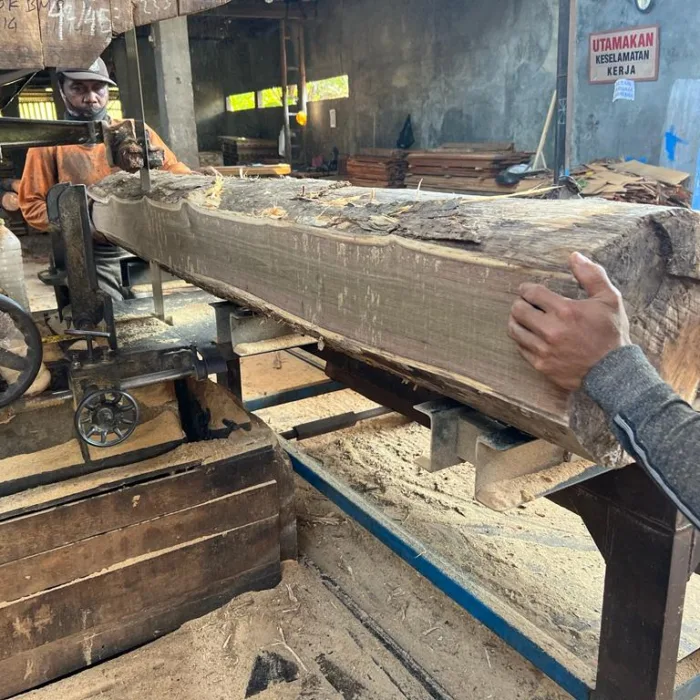
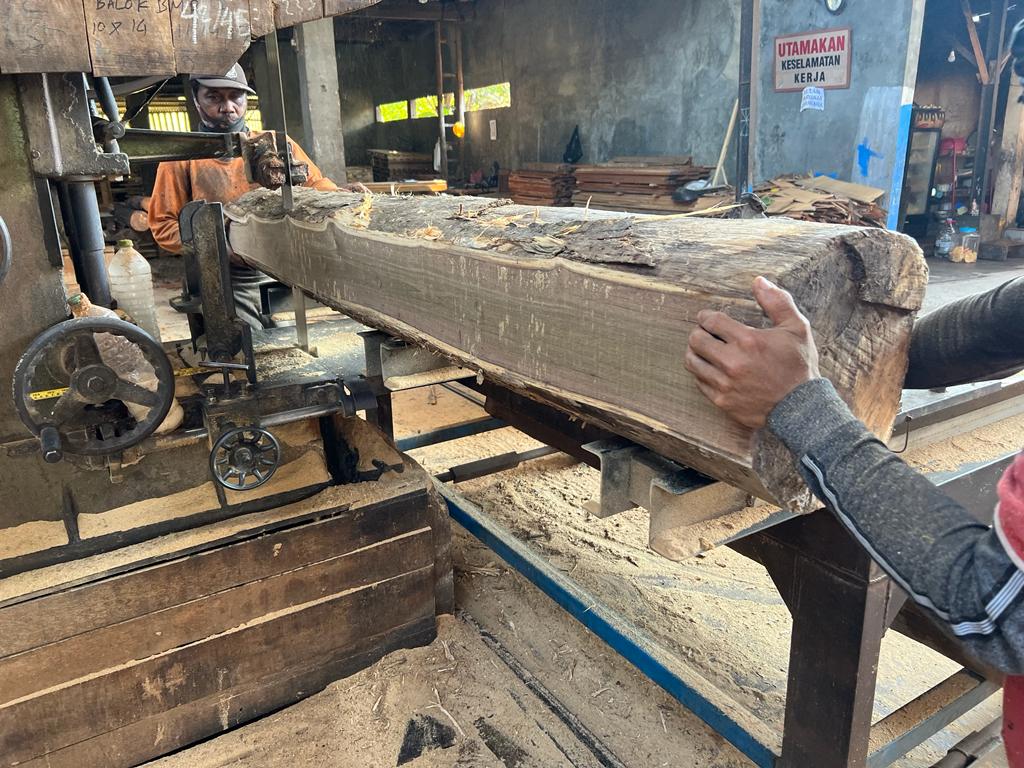
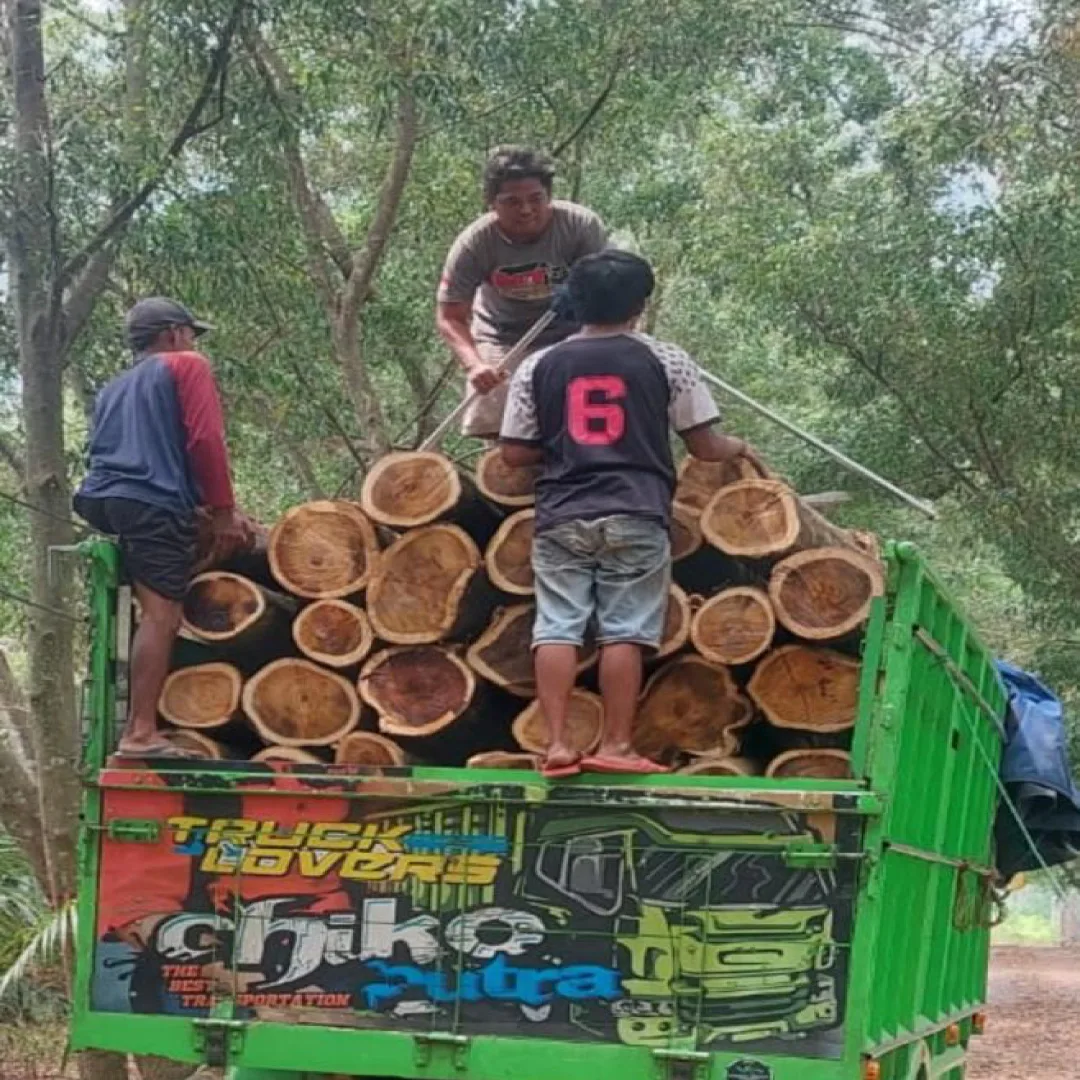
The founder of our company was involved in timber work at Sabah, Malaysia in the 1990s, and began to engage in timber trade at Indonesia in year 2000. In order to cater to international market trends, we established SYNERGY WORLDWIDE LIMITED at Hong Kong in year 2004. In recent years, the Indonesian company PT.SYNERGY KARYA CEMERLANG has been established accordingly, further expanding the international wood production, processing and market territory.

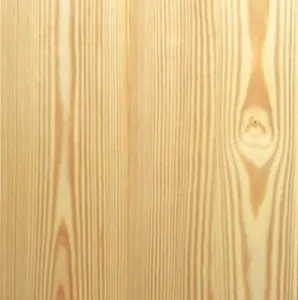
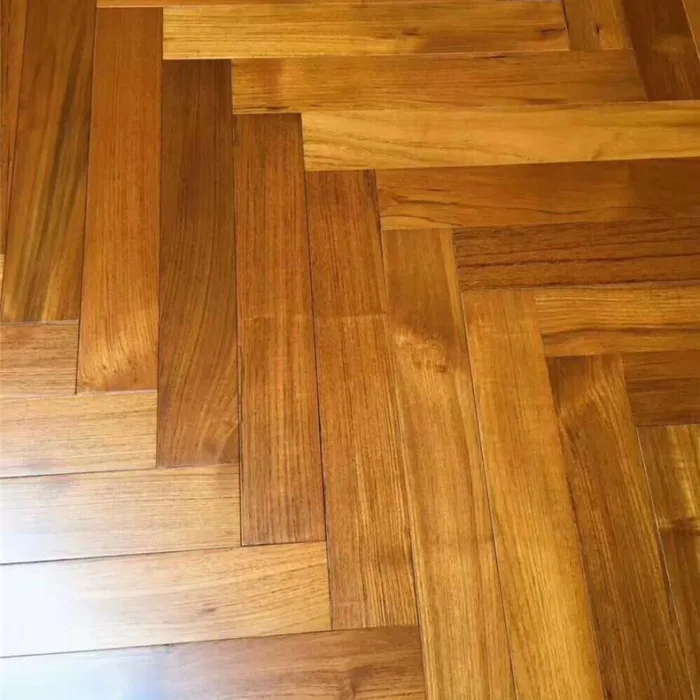
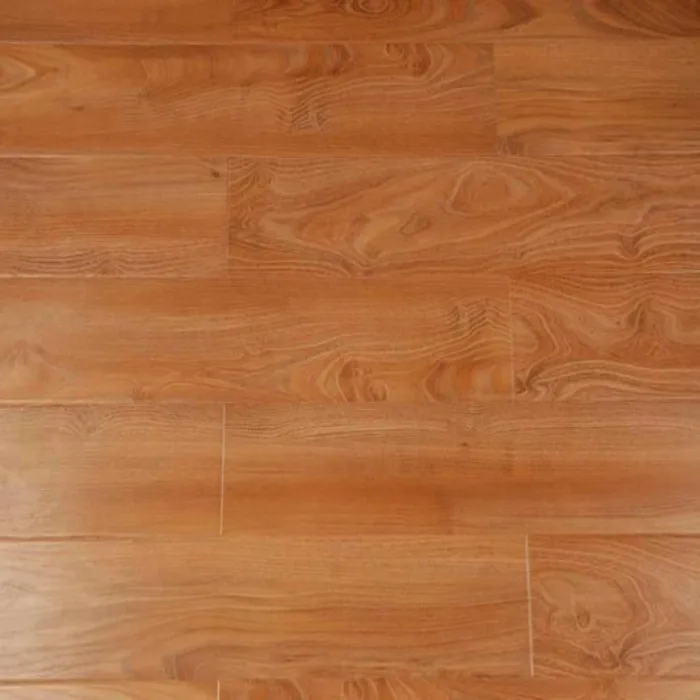
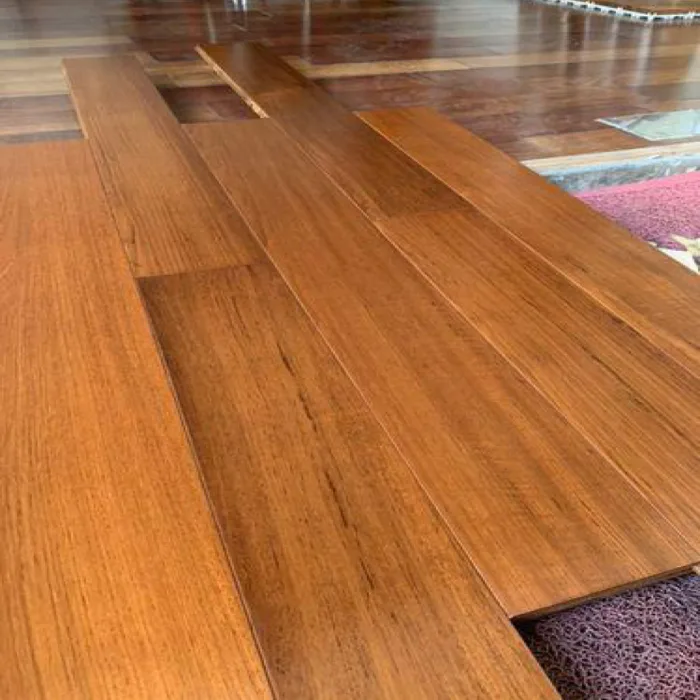
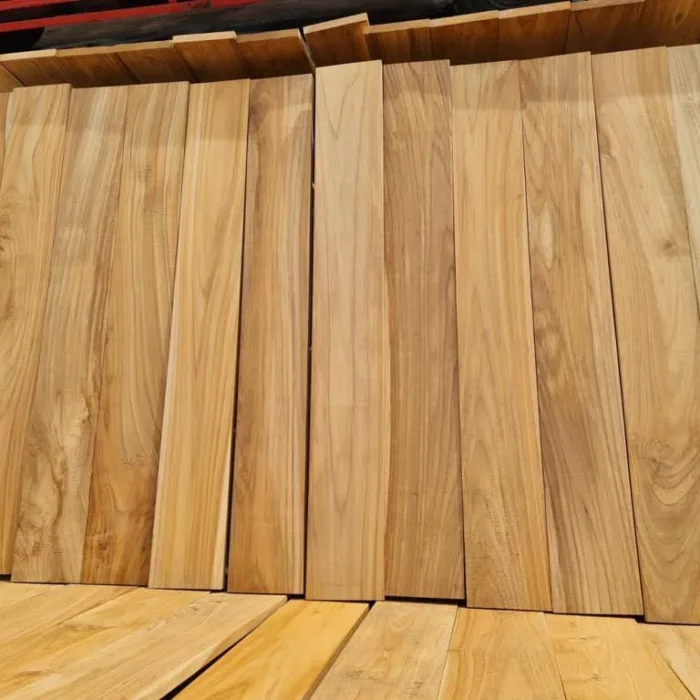
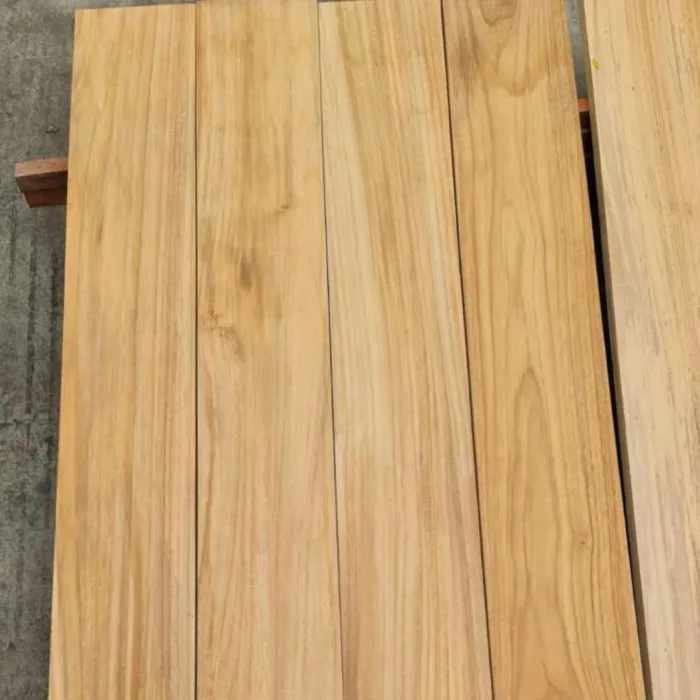
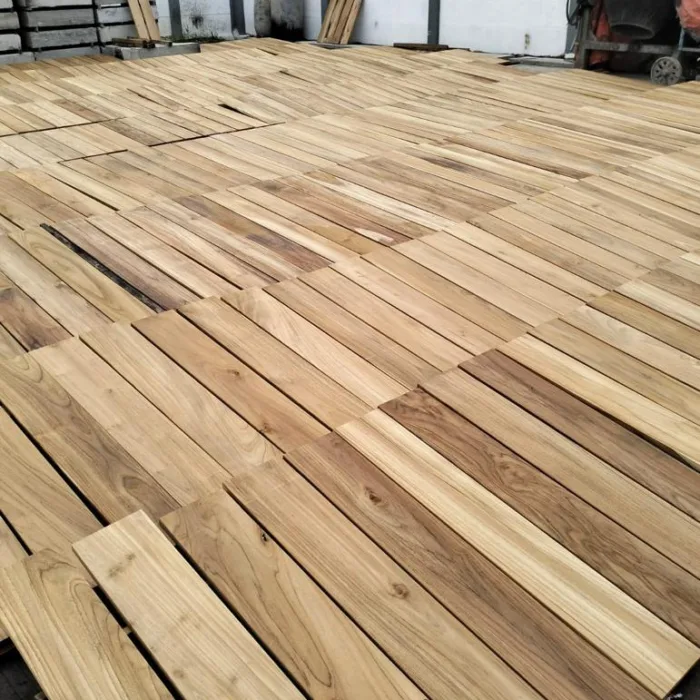
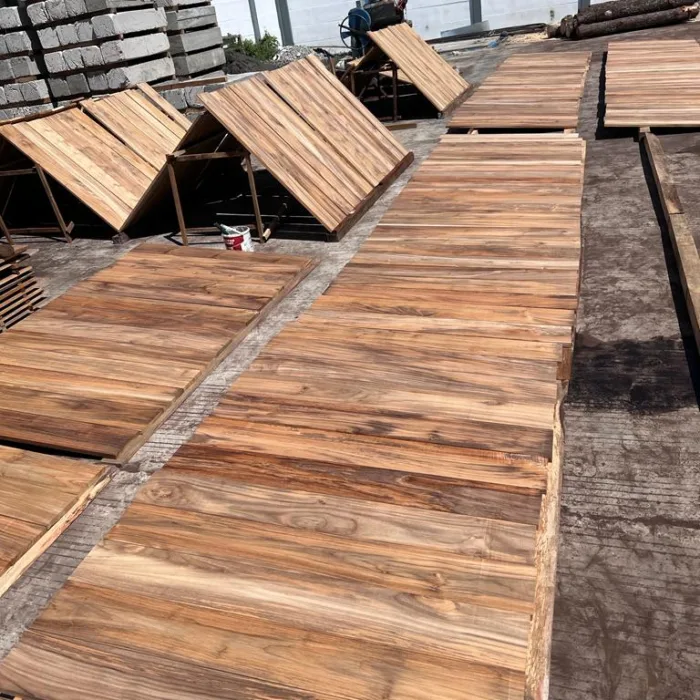
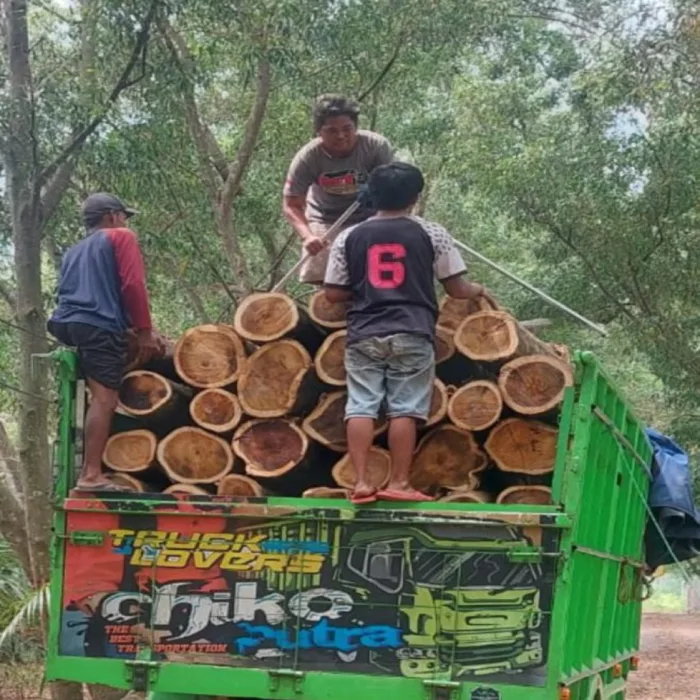
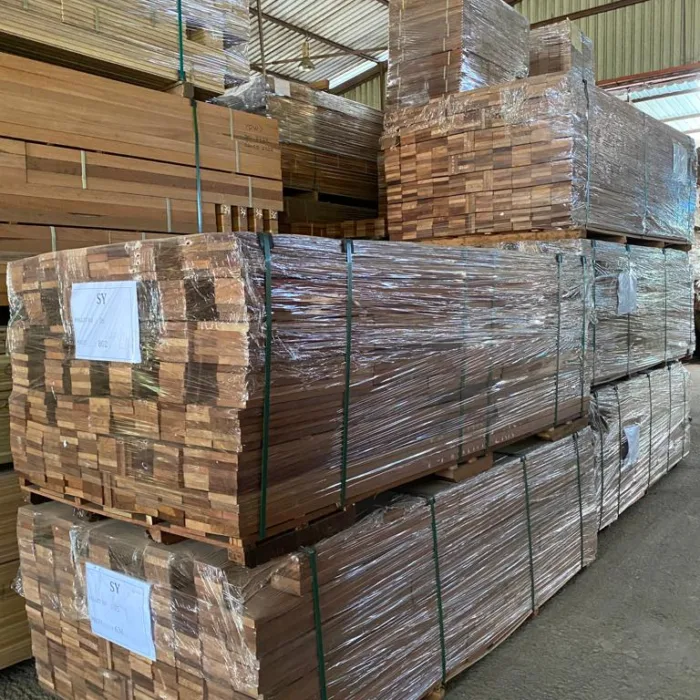
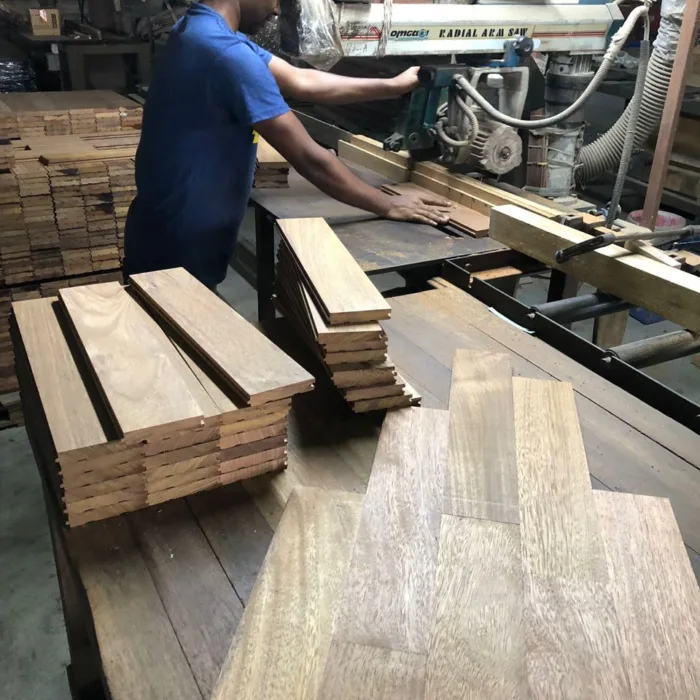
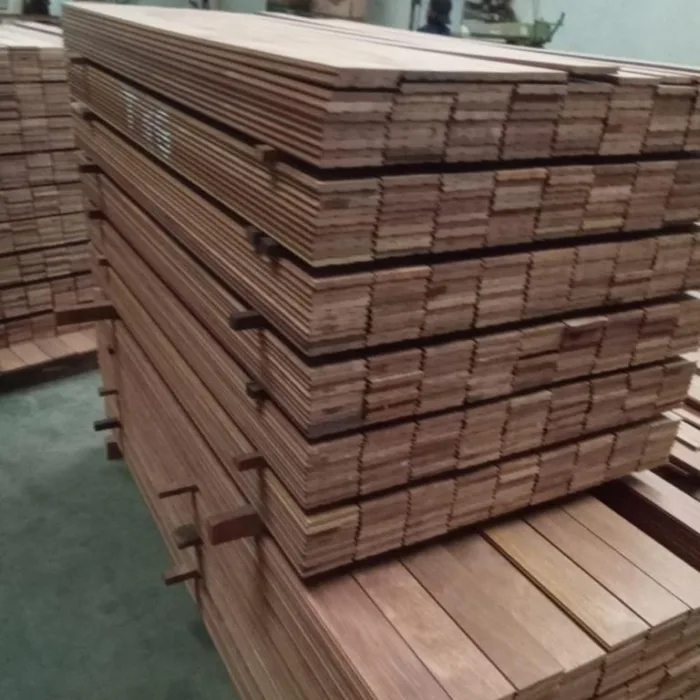
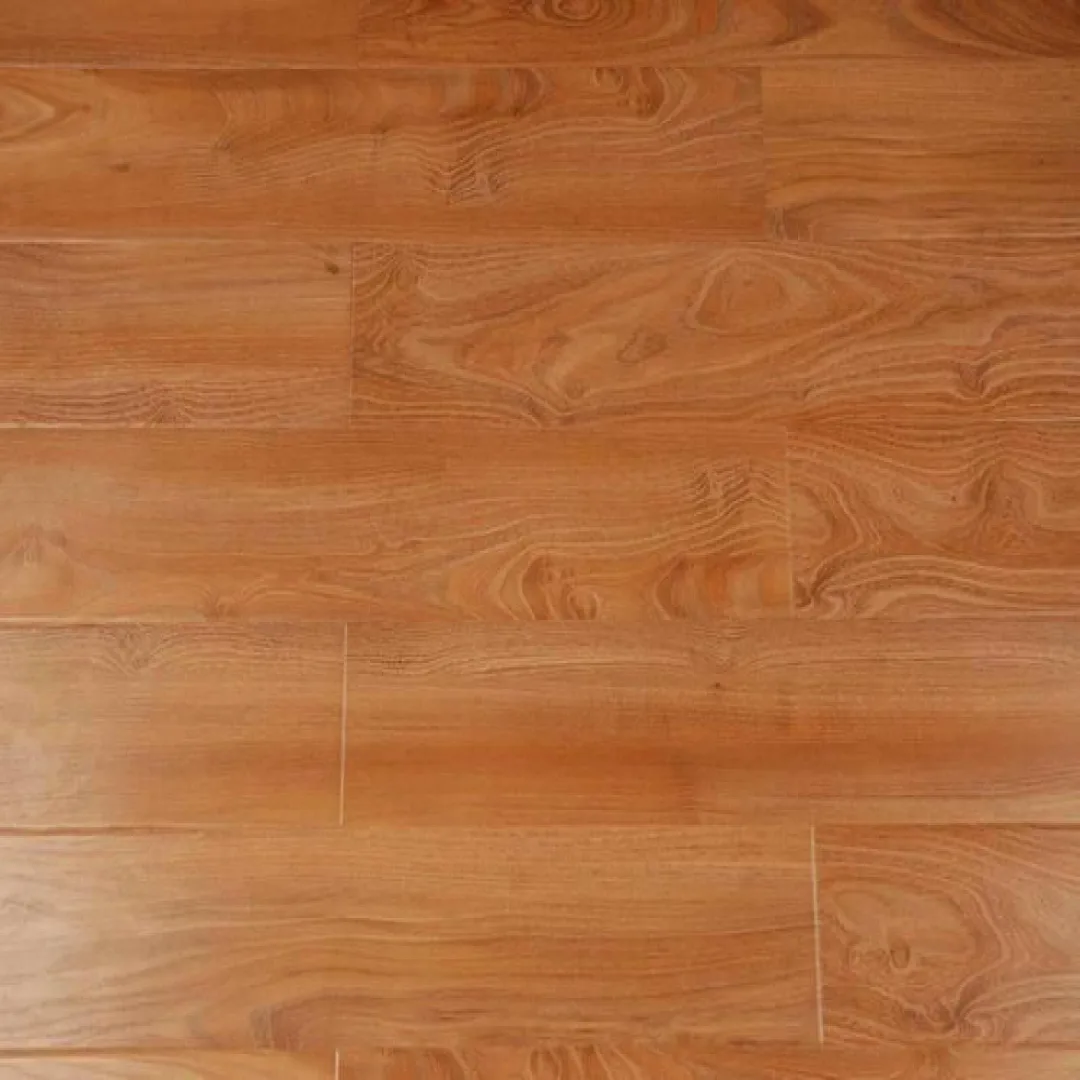
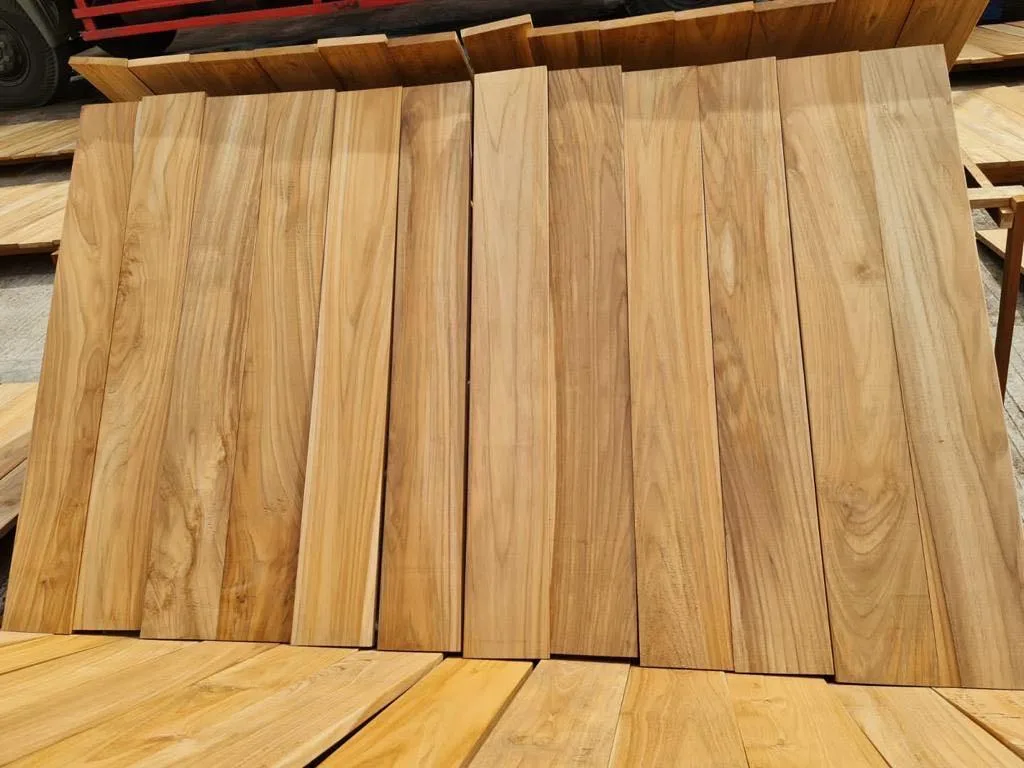
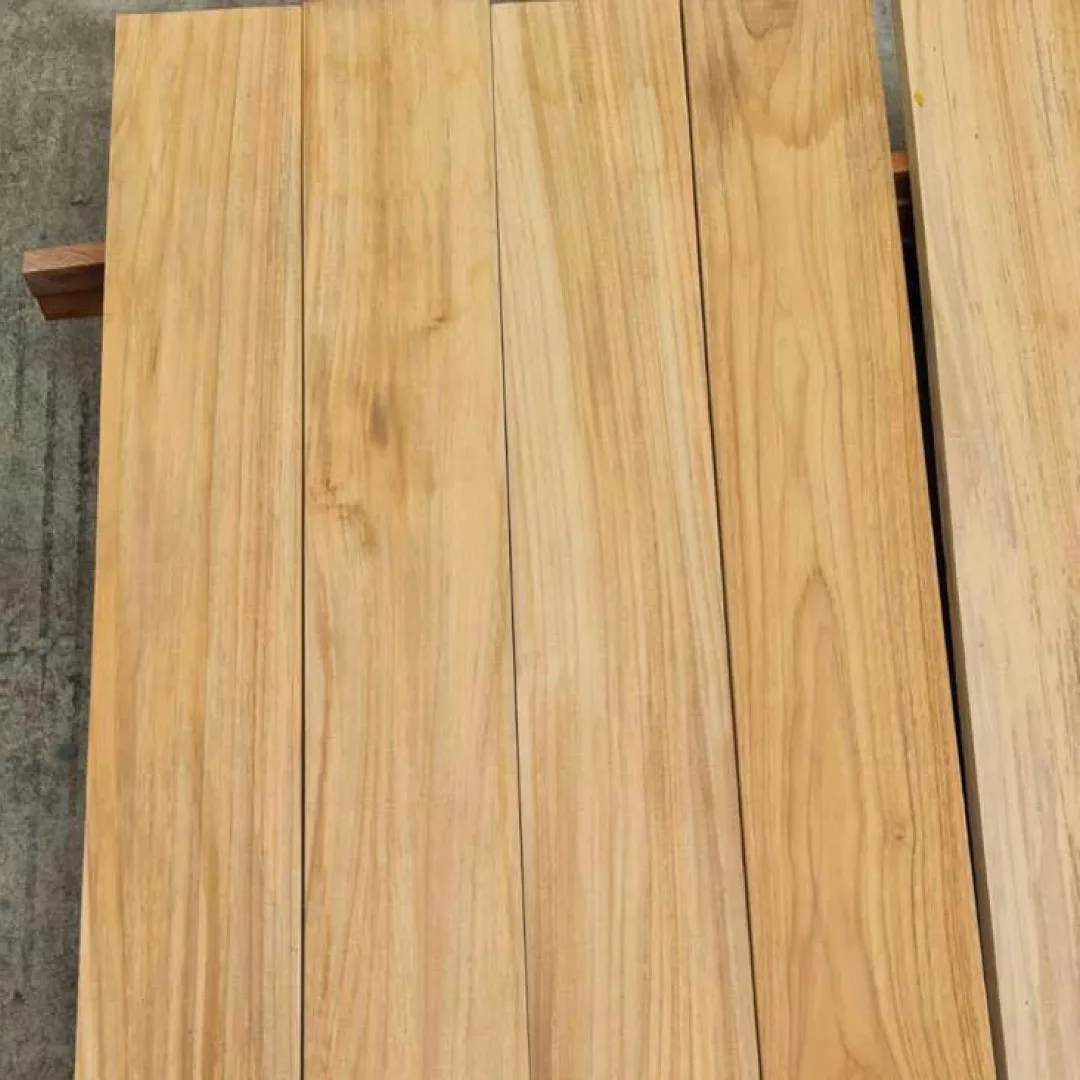
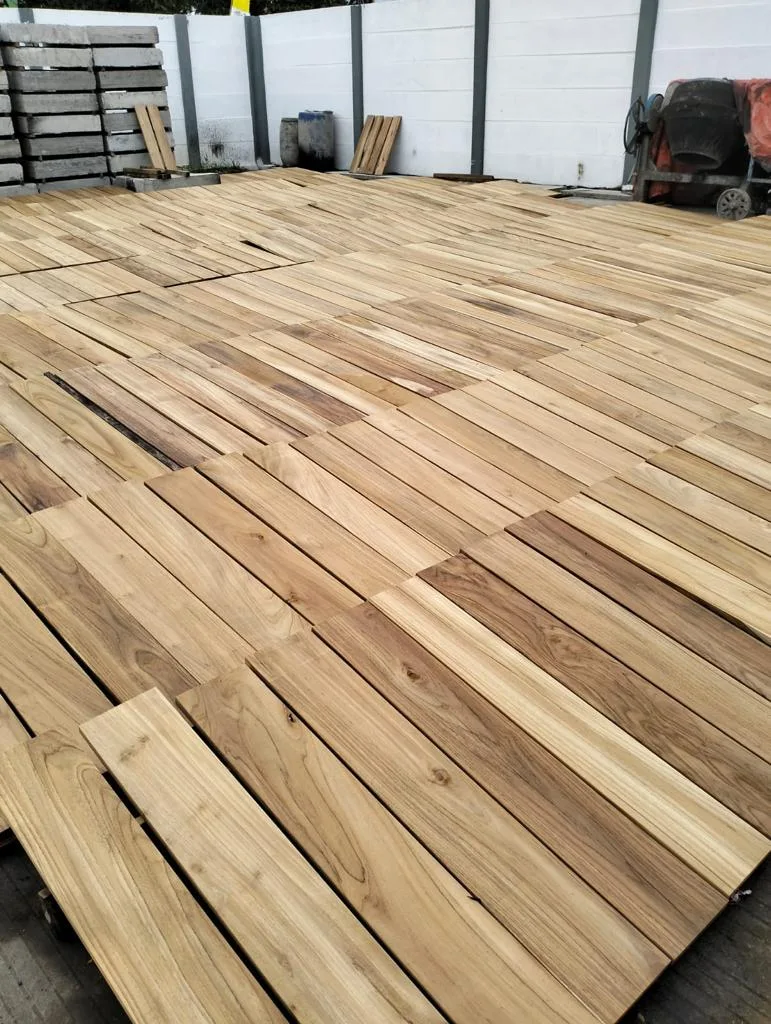
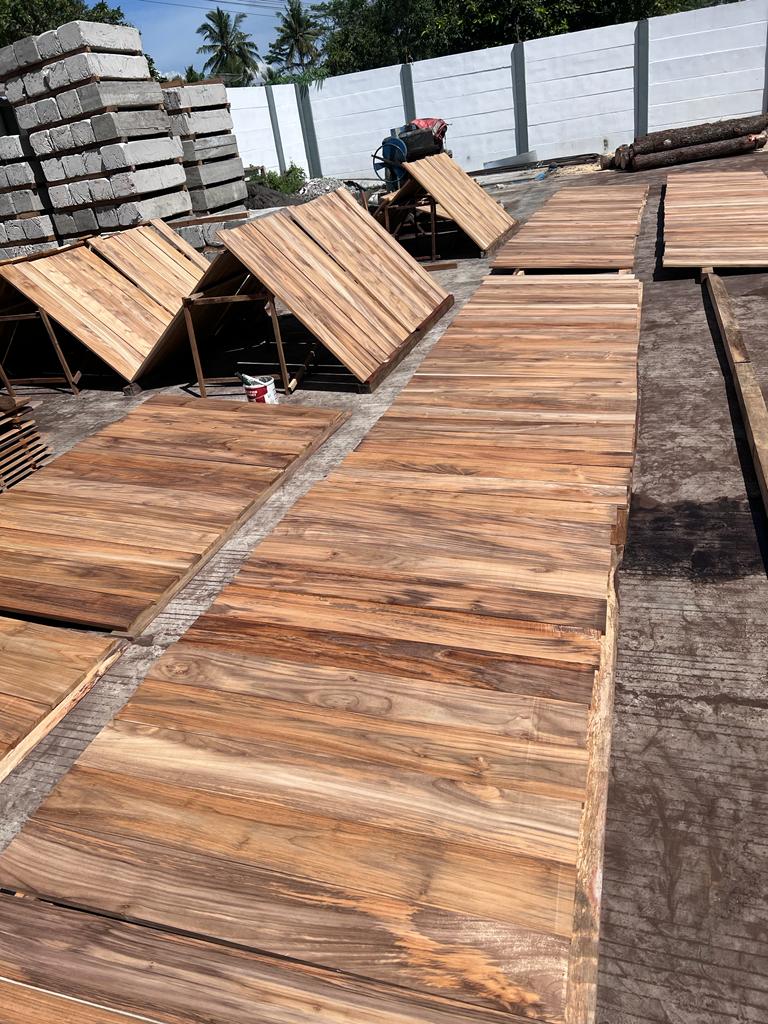
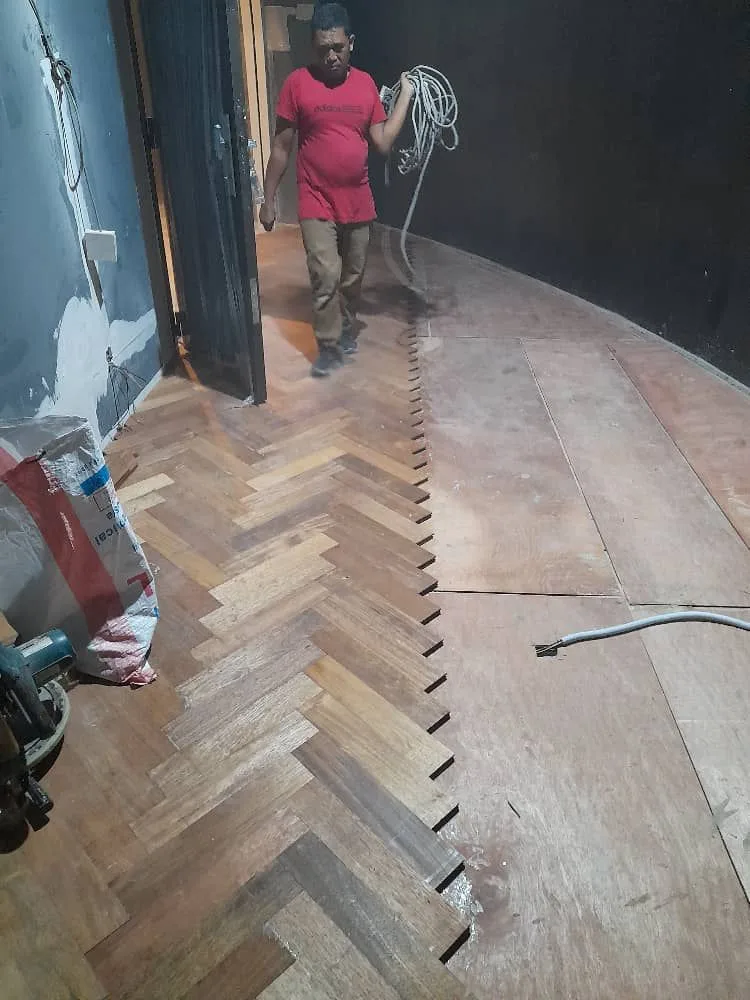
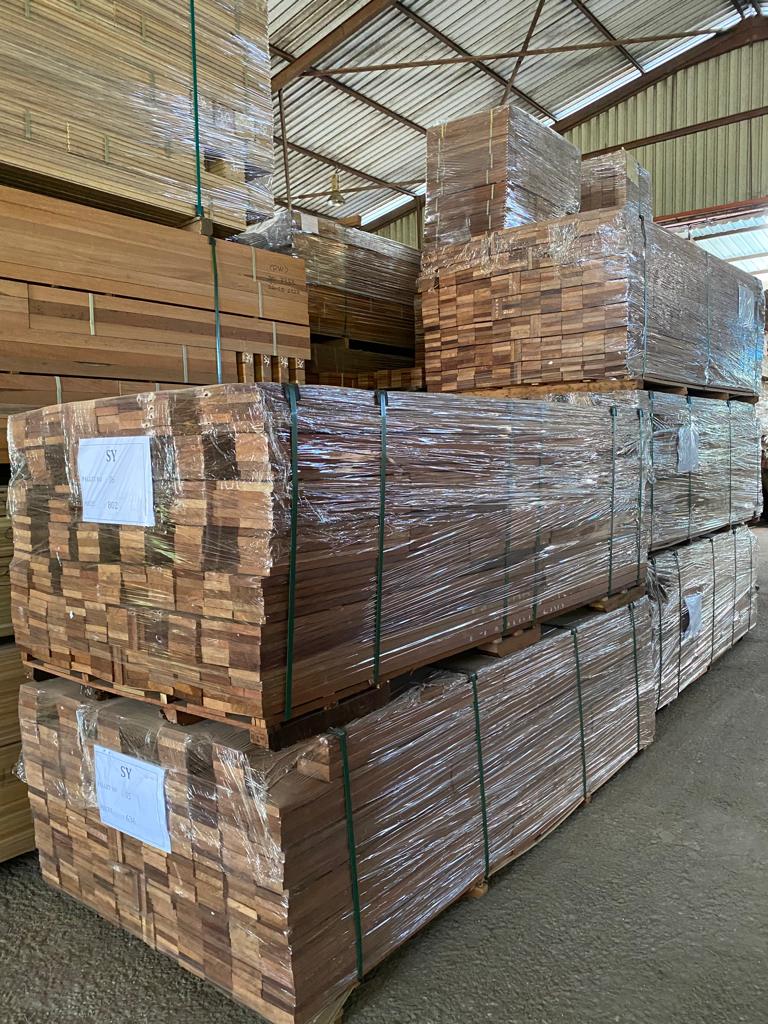
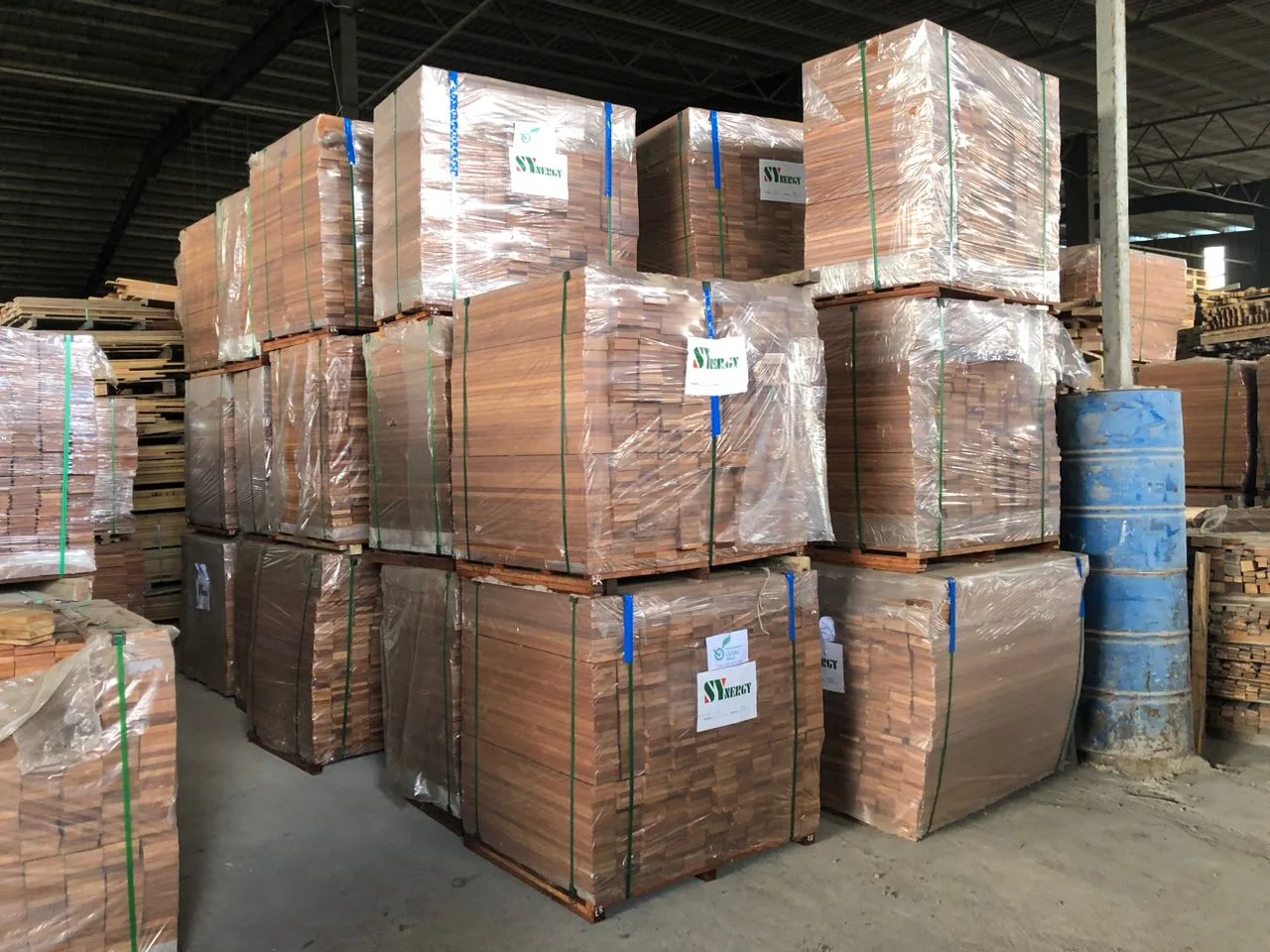
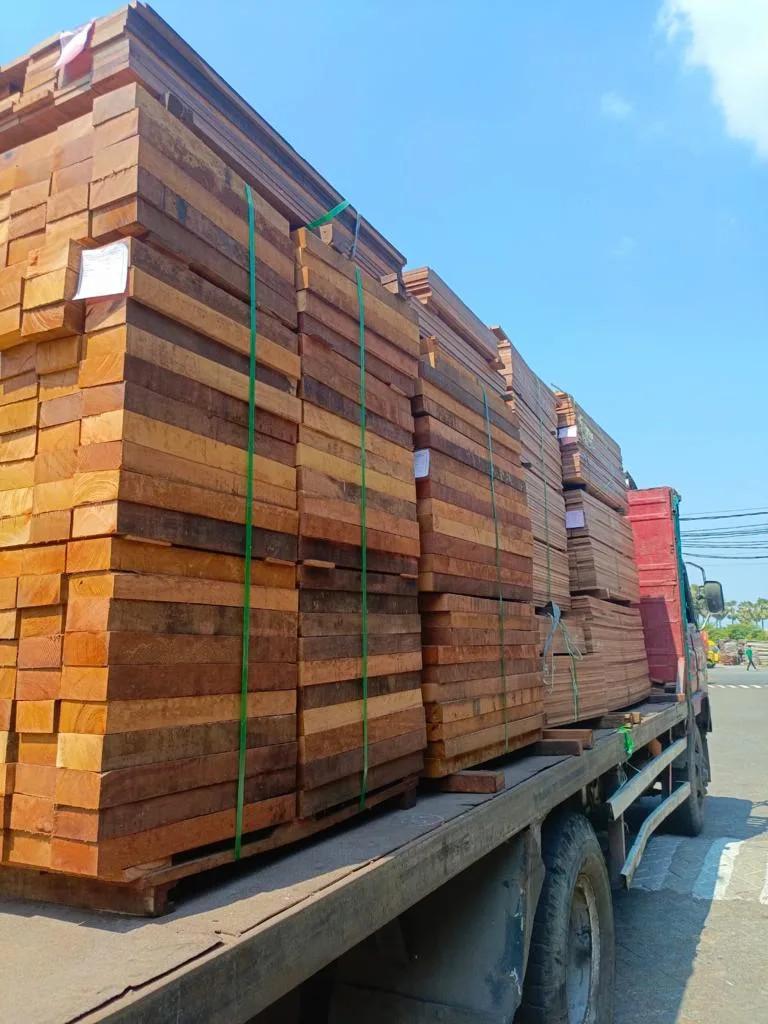
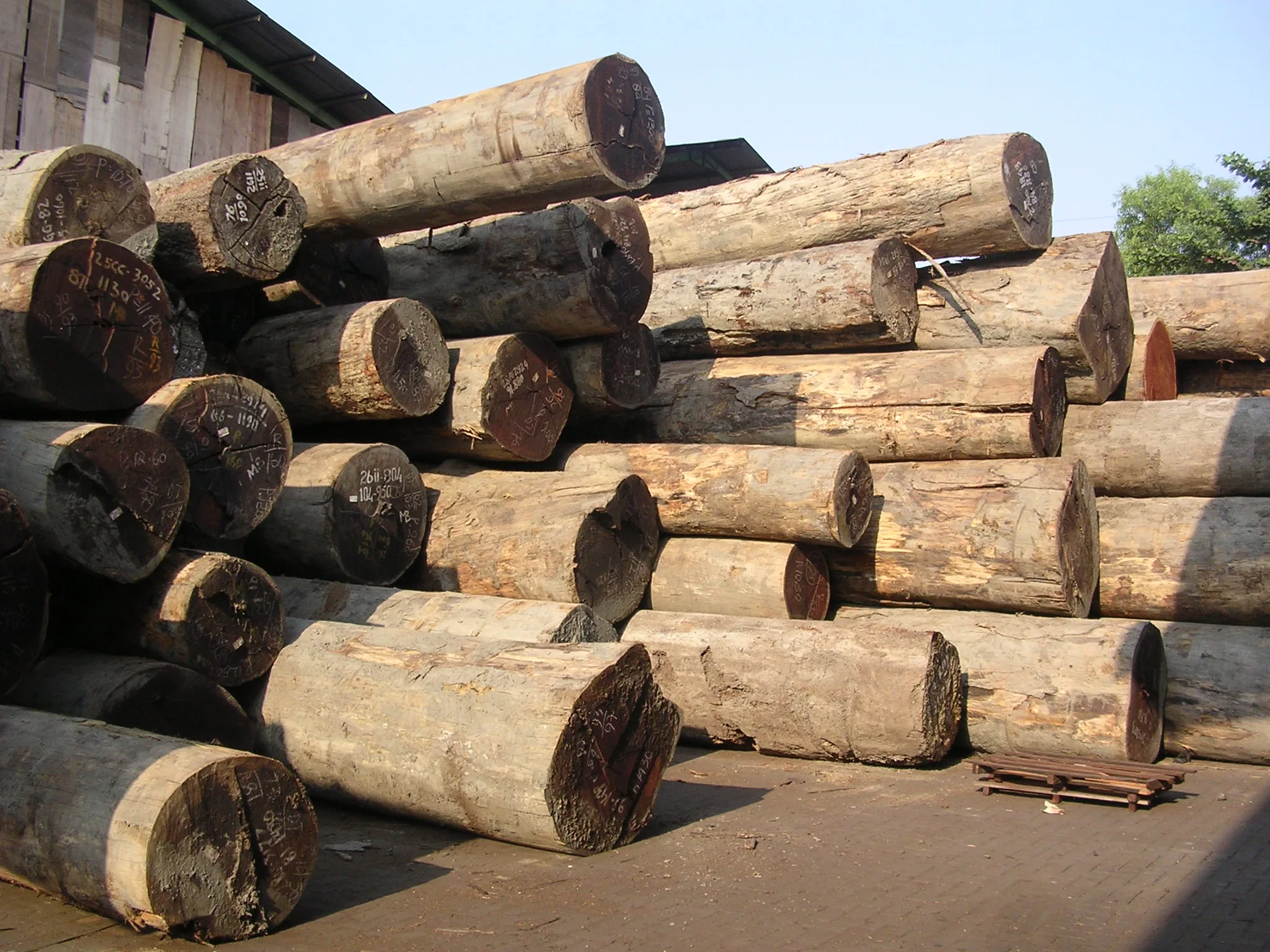
Mainly engaged in Southeast Asian Timbers, solid wood flooring, outdoor flooring, plank wood and supply to all over the world. Our market includes China, Europe, America, Australia, Japan, Malaysia and East Asia and other countries. Types of wood supply included : MERBAU, JAVA TEAK, PINUS, MAHOGANY, SONO KELING, BANGKIRAI, KEMPAS and other tropical wood species.
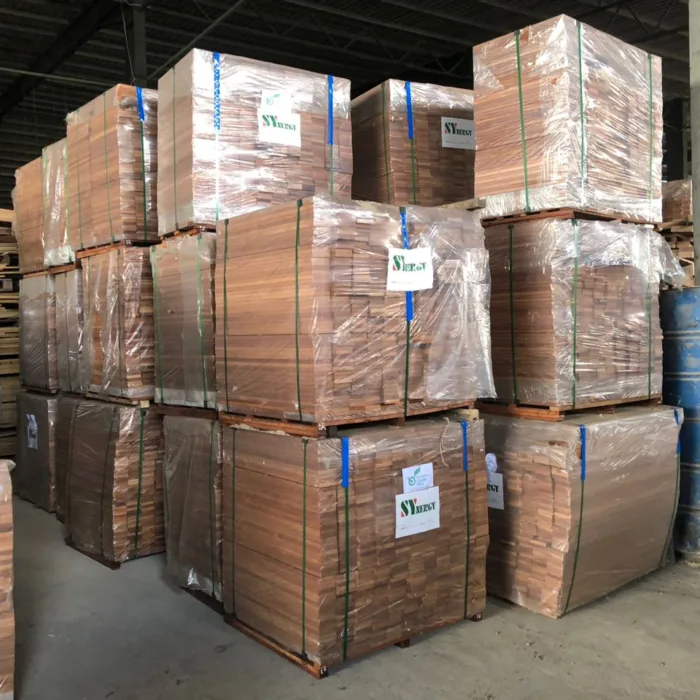
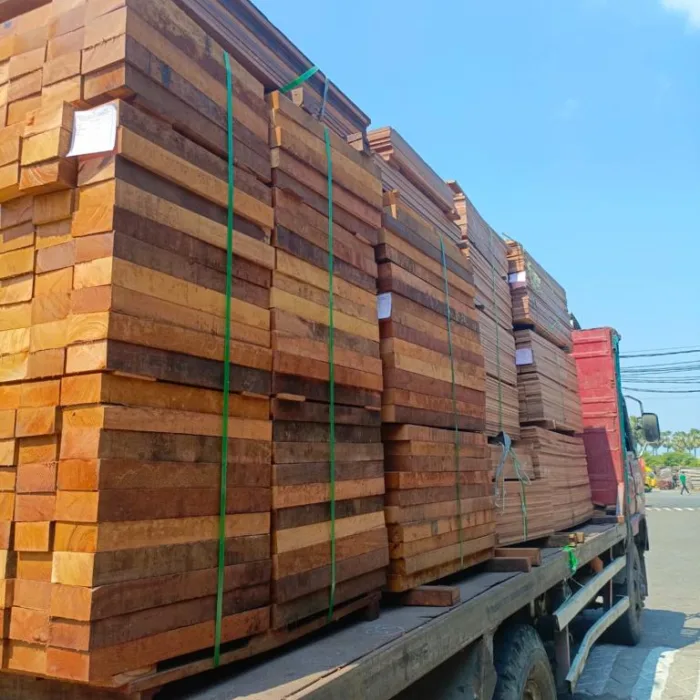
Due to the rise and growth of the China market, we established our company and warehouse at Shanghai, China to facilitate transactions between buyers and suppliers in the China market. We served and supplies woods to major local flooring manufacturing, furniture manufacturing and some OEM Branding.
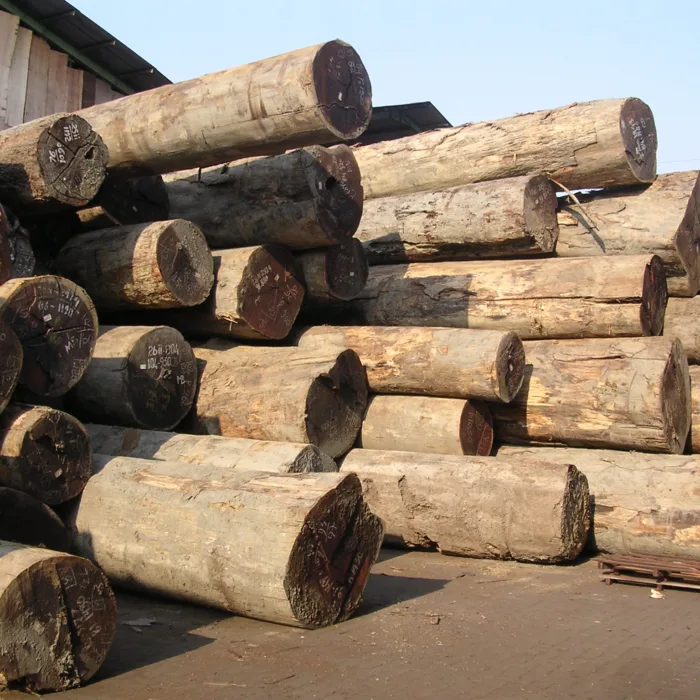
In recent years, our company has also established SY SYNERGY MARKETING based in Malaysia purposely to fulfil  the changes in consumer behavioural and business model, coupled with the rise of online platforms and the need to expand business in the market.

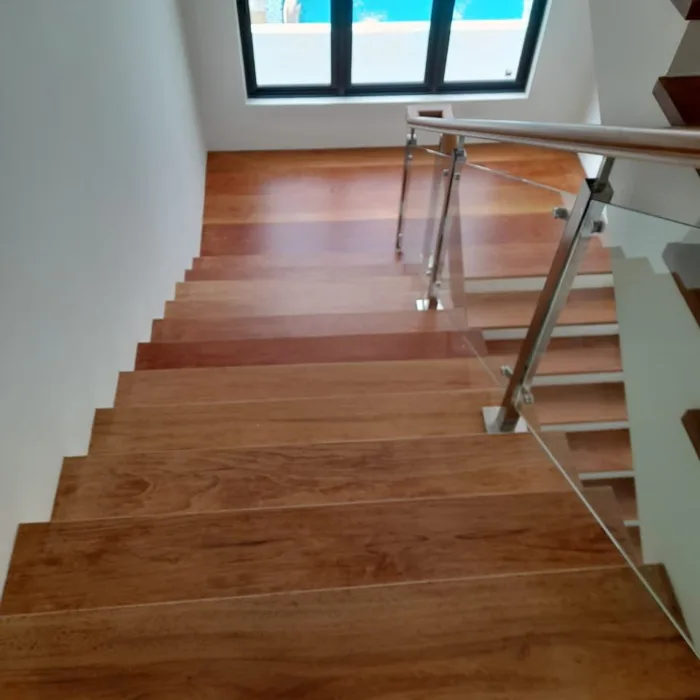
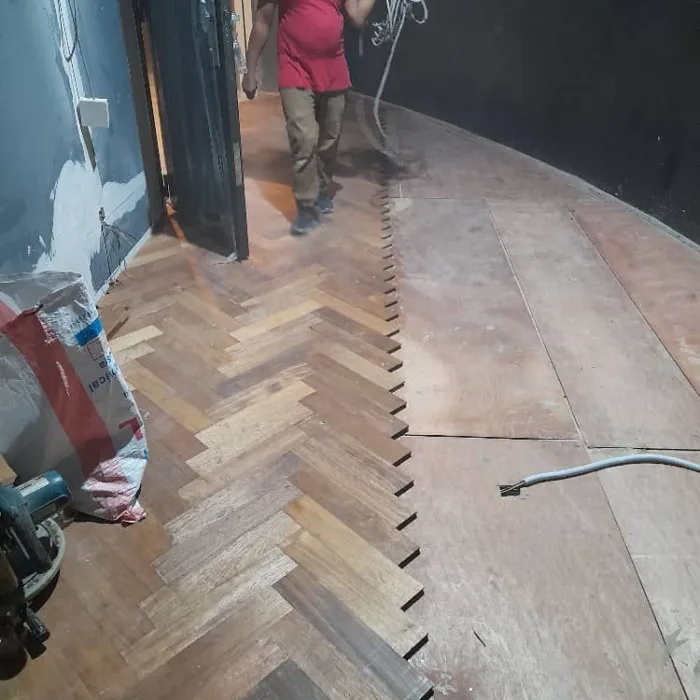
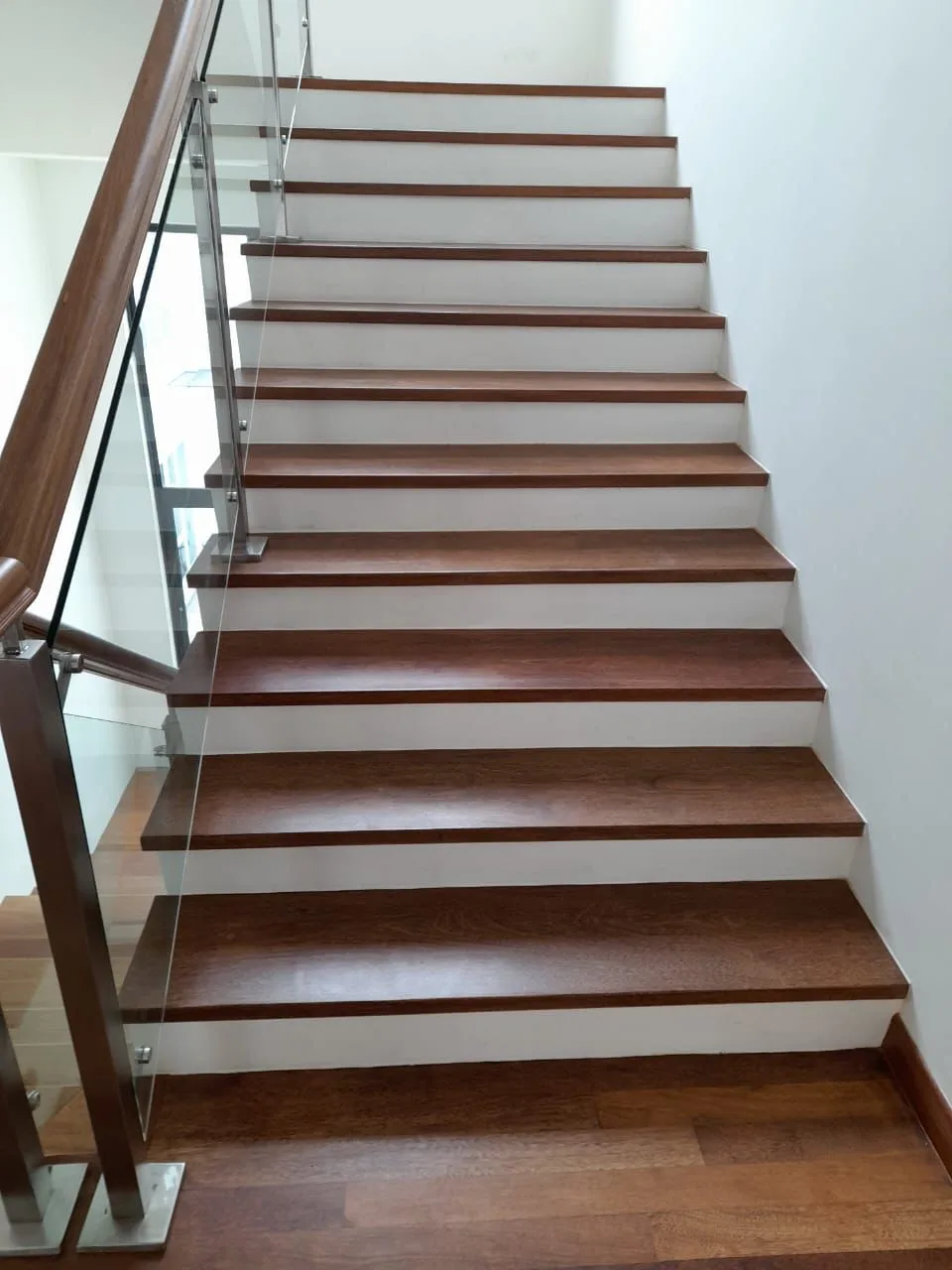
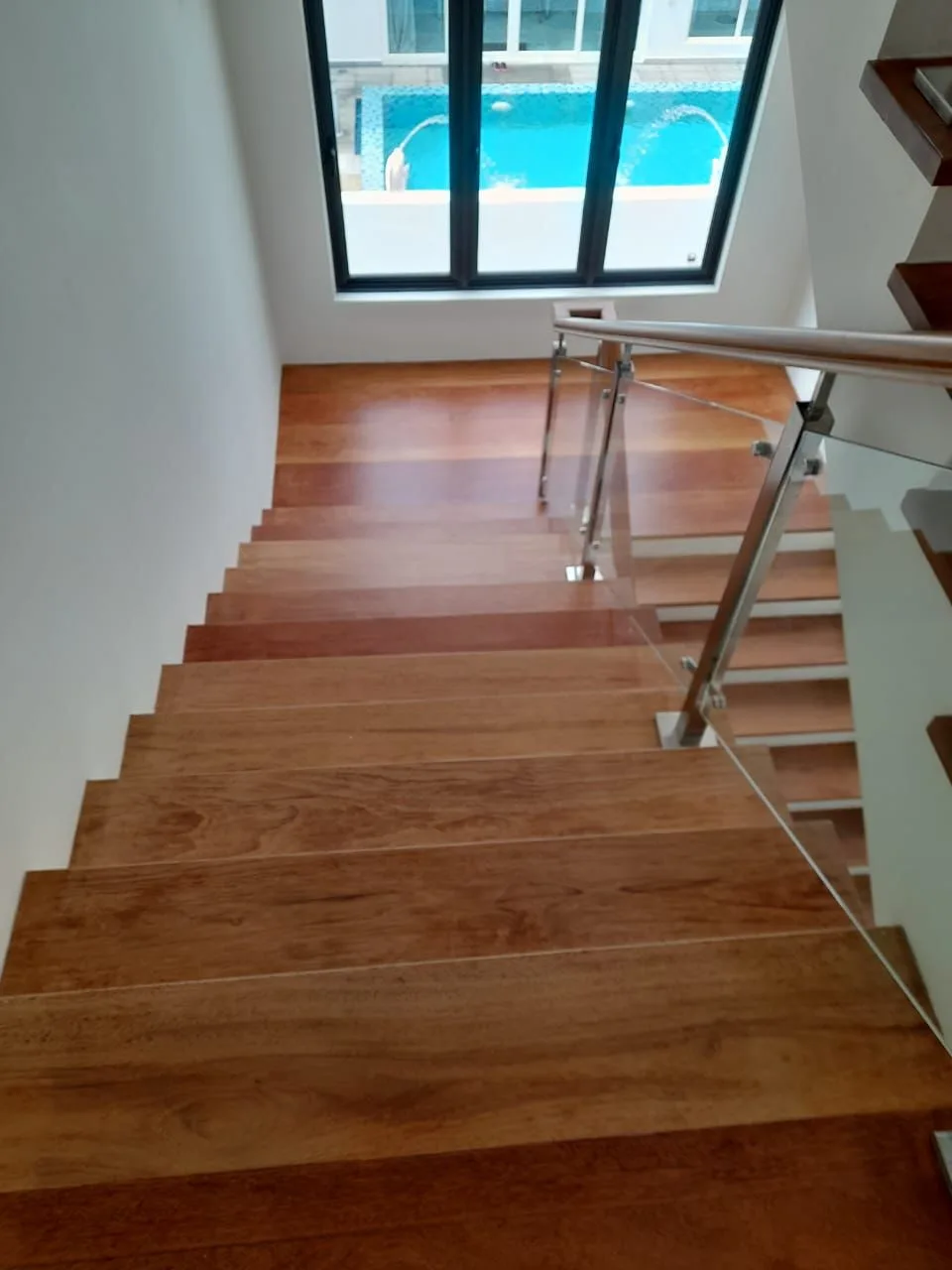
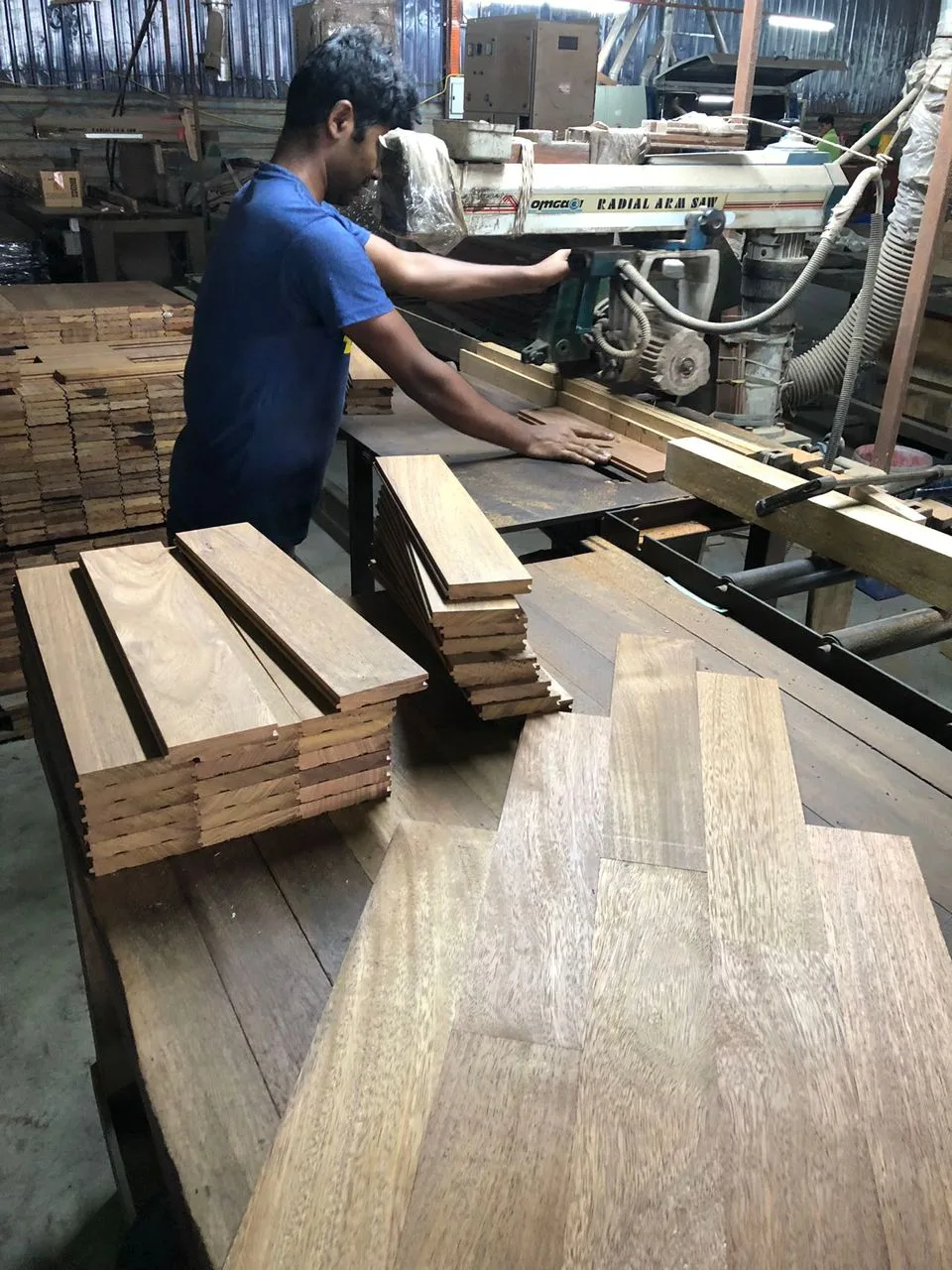
SY SYNERGY MARKETING will also adhere to the nearly 20 years of experiences in timber expertise and business philosophy of its parent company, SYNERGY WORLDWIDE LIMITED. Our business philosophy prioritizes product quality, reliable service and honesty. Our services are carried out and involve the supply of solid wood flooring, stair slabs, custom requirements, semi-finished slotted products, raw materials to local businesses, private consumers or self-branding. The parties involved are welcome to get the latest quotation as well as information and knowledges related to the types of woods selection with our company.

First, it’s essential to select wood species with stability. The stability of wood depends on factors such as its inherent fiber grain structure and density. Of course, the subsequent processing steps need to be done correctly as well, such as drying. If the wood is not adequately dried, it can lead to problems like warping or, with changes in climate, moisture-related issues that cause the wood to shrink and expand, resulting in uneven surfaces and gaps in the flooring. Based on our many years of experience and customer feedback, it’s important to note that a significant portion of wood available in the market does not meet the quality requirements for solid wood flooring. This is primarily due to issues with the stability of the wood. In other words, some wood species are simply not suitable for use as flooring. Because of subjective factors and a lack of knowledge about wood among the general consumers, they may be attracted by the beautiful grain, attractive color, and low prices of certain wood species, leading them to make the wrong choices. Even with excellent processing techniques, using unsuitable wood species makes it difficult to avoid quality issues after installation. This is akin to a genetic defect that is hard to rectify.

Selecting a company with a long history profile in the wood industry is crucial because accumulated experience continually evolves and eliminates less stable wood species and construction processes. Just like our company, SYNERGY, which has nearly 20 years of rich experience in solid wood flooring. Over the years, we have worked with more than 30 different wood species for solid wood flooring. But today, only a handful of species remain, such as Java Teak and Merbau. These have proven to be enduring, while other wood types have been phased out. Therefore, choosing stable wood species and a professional company is key.

As we all know, Indonesia is the country with the most volcanoes in the world. Teakwood, mainly produced in Java Island, Indonesia, thrives due to the island’s volcanic soil, which is easily decomposed and weathered. Additionally, the small volcanic ash particles make it highly susceptible to decomposition by microorganisms and easy absorption and utilization by plants. The soil has excellent water permeability, a loose texture, good drainage, and contains various mineral elements such as magnesium, selenium, and iron. The volcanic soil in the region is exceptionally fertile, making it an ideal environment for agriculture and plant growth. Each teak tree in Java can be said to flourish in this fertile and unique soil. Indonesian Java teak stands out as it is produced in volcanic soil, and there is no comparison.

Next, we’ll share several key characteristics of Indonesian Java teakwood:

  1. Moisture-Resistant, Insect-Repellent, and Anti-Termites: Indonesian Java teakwood contains a substantial amount of natural oils, making it resistant to moisture, insects, and termites.
  2. Strong Stability: Indonesian Java teakwood has a micro-pore structure, which gives it the smallest shrinkage and expansion rate among all wood types. It exhibits excellent resistance to weathering, making it less prone to deformation, corrosion, and cracking.
  3. High Durability: With its micro-pore structure, Indonesian Java teakwood combines strength and flexibility, offering exceptional stability. Additionally, it has a high oil content, which contributes to its long-lasting qualities. If there were any drawbacks, it would be that it tends to be relatively expensive.
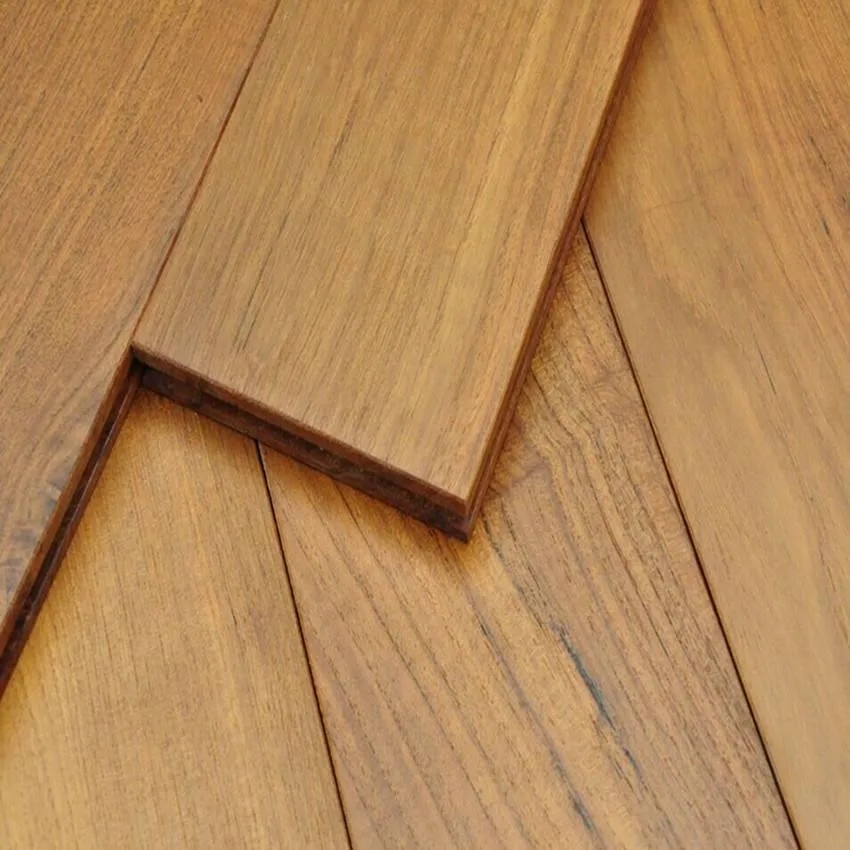
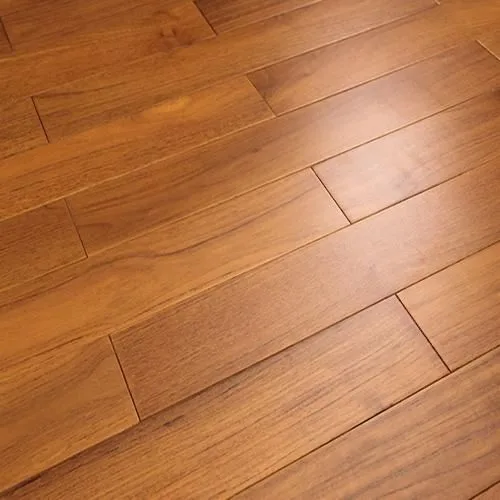
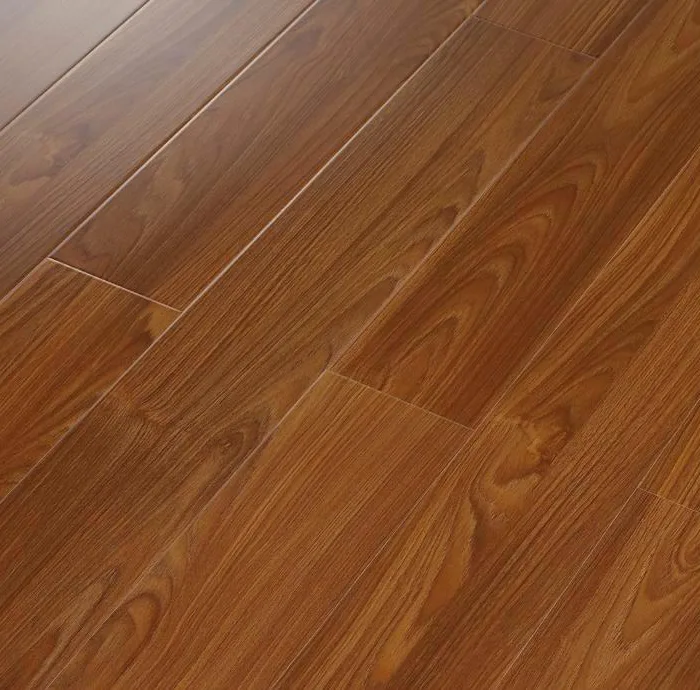
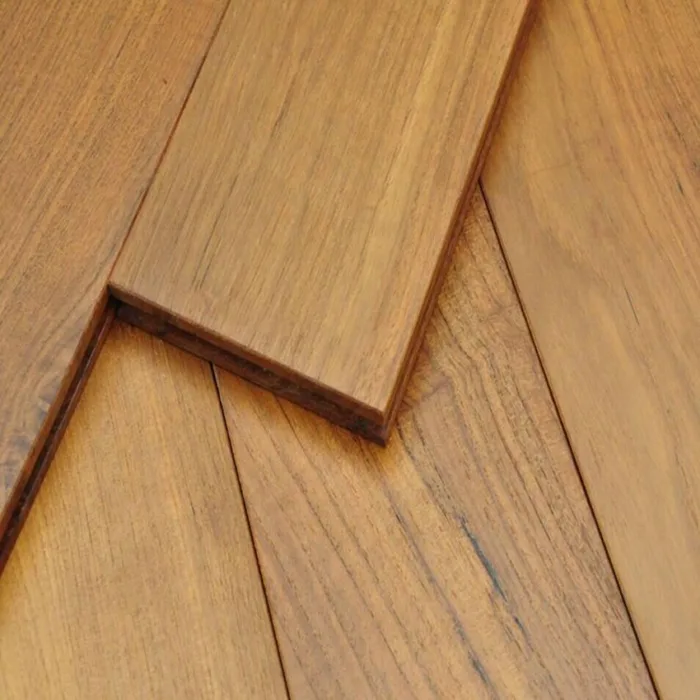
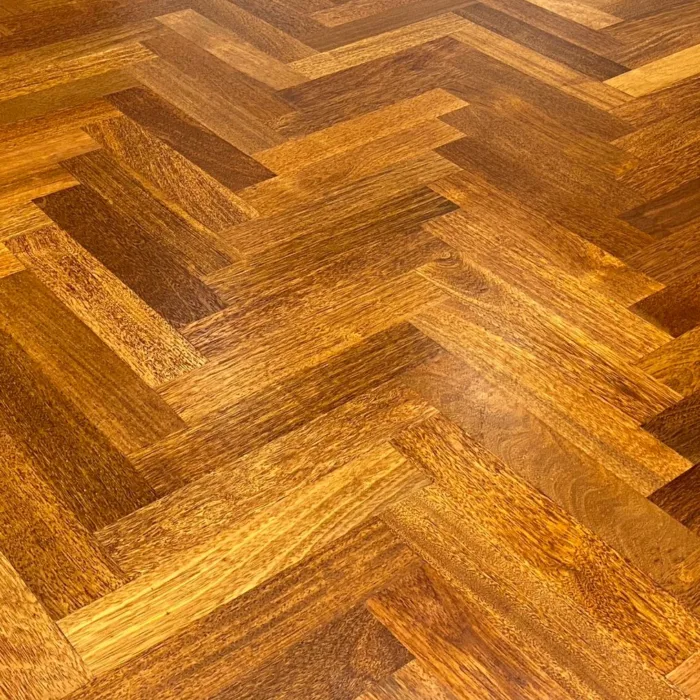
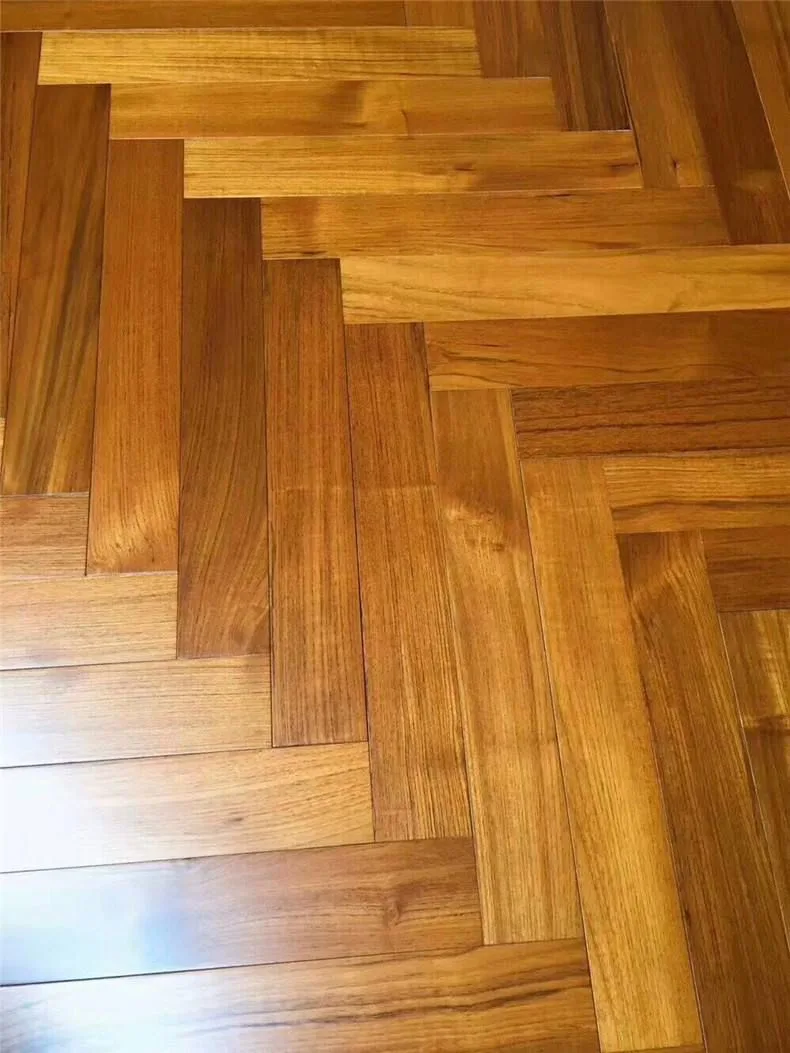
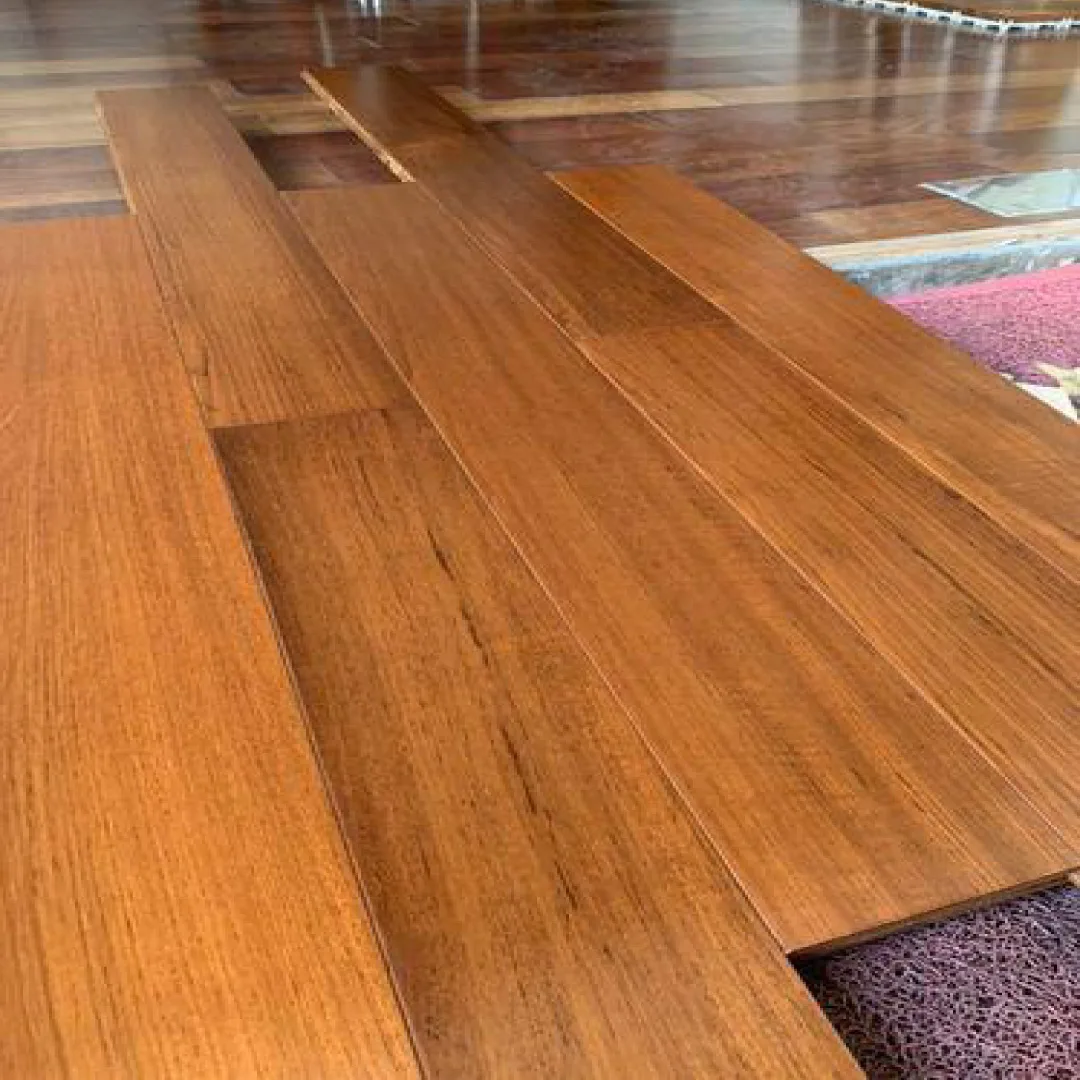
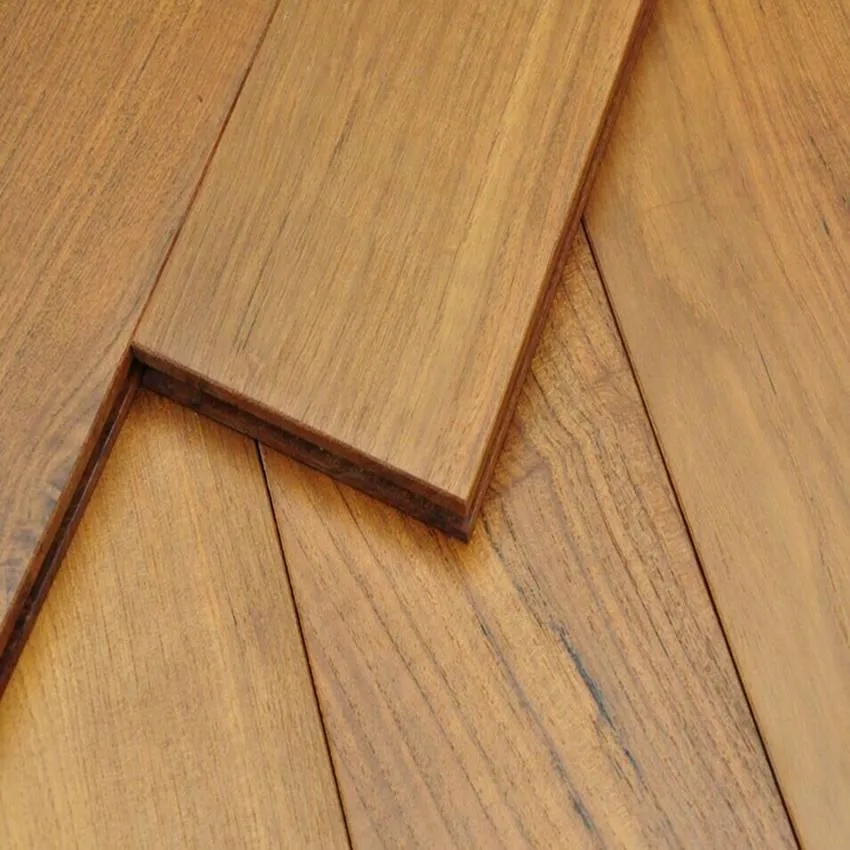
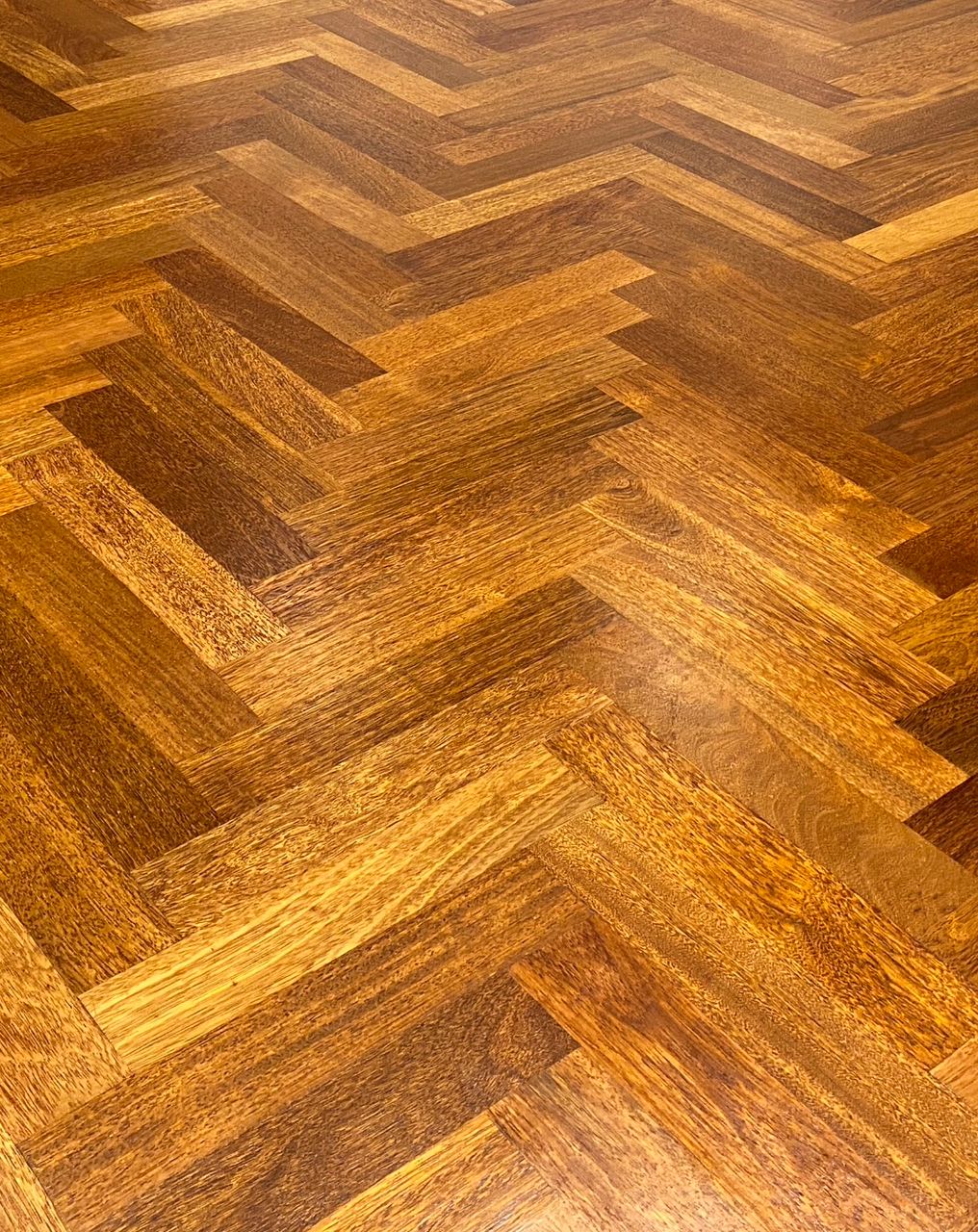
  4. Beautiful Color: Over time, the color of Indonesian Java teakwood becomes even more attractive, evolving from golden brown to deep brown. It features soft dark lines, vibrant oil patterns, and diverse grain structures, creating an elegant and distinctive appearance.
  5. Lasting Fragrance: The natural fragrance of Indonesian teakwood deters insects, keeping pests such as termites, mosquitoes, and rats.

Indonesian Java Teakwood plantations were established in the 13th century in Bojonegoro and Madiun. Java Teakwood was introduced by the Dutch colonial government in the early years. They established a well-managed teakwood plantation system in the 19th century. This tradition has continued under the Indonesian government since gaining independence.

This is why European and American countries prefer to source Indonesian Java teakwood for crafting high-end luxury homes, luxurious yachts, and wooden structures in cruise ships.

Understanding the above information about Java teakwood should provide you with compelling reasons to choose Java teakwood.

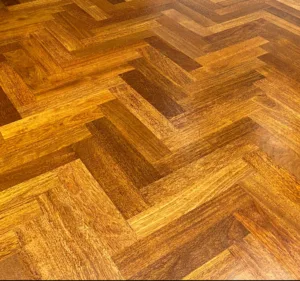
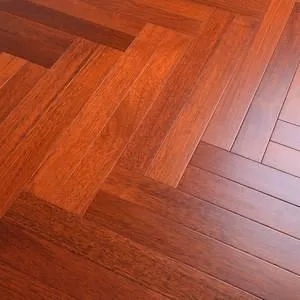
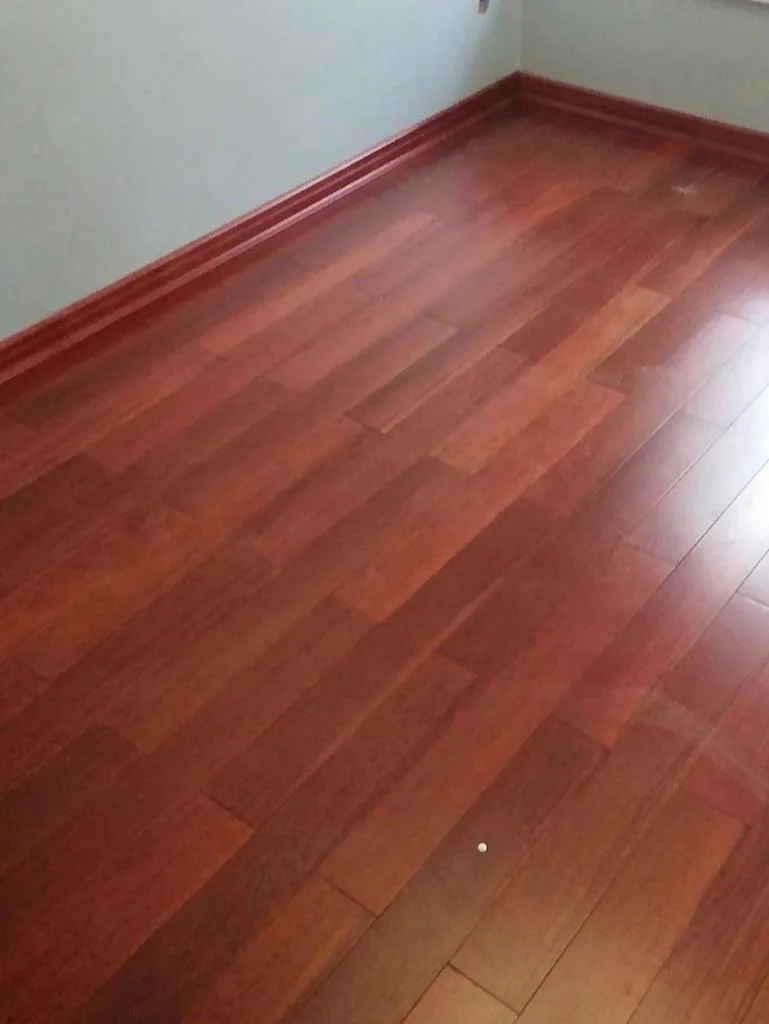
MERBAU is mainly produced in countries such as Indonesia, Malaysia, Papua New Guinea, and others. It is classified as a tropical hardwood with a hard texture. After kiln drying, it typically has a moisture content of approximately 12% +-2%. Its density is around 800-900m M/3, and it features an interlocking grain pattern. MERBAU is known for its strength, hardness, resilience, attractive patterns, aromatic scent, and low shrinkage and deformation coefficients.

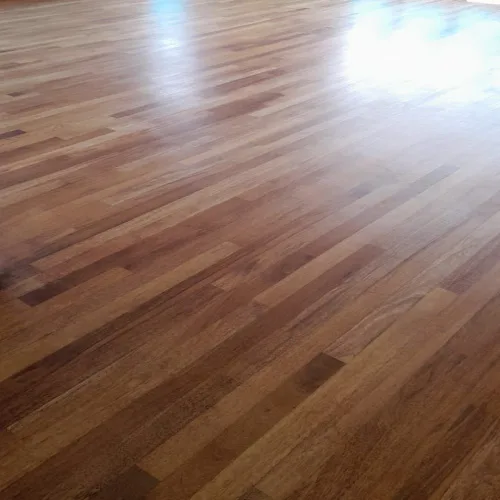
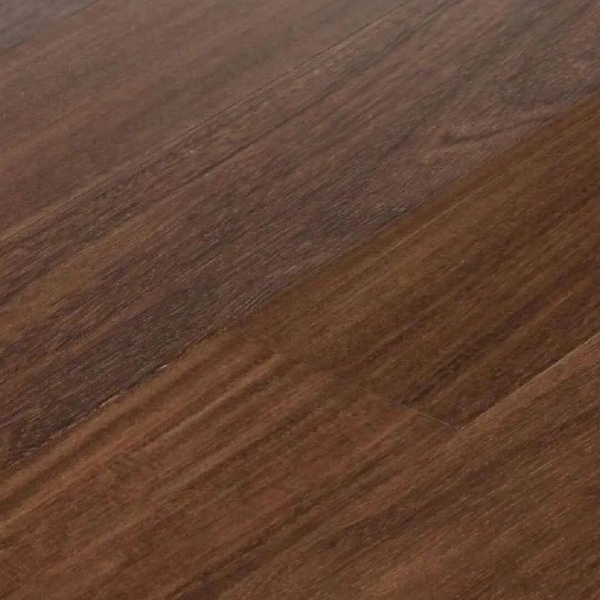
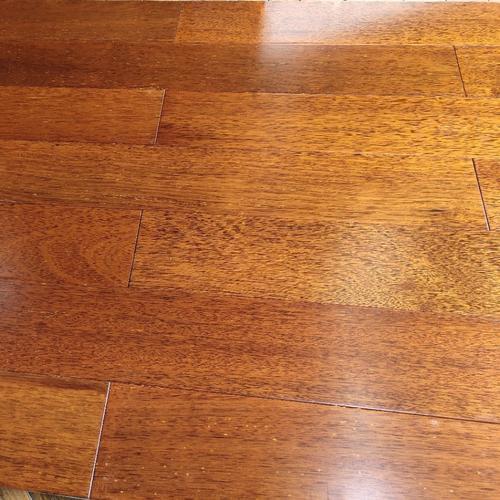
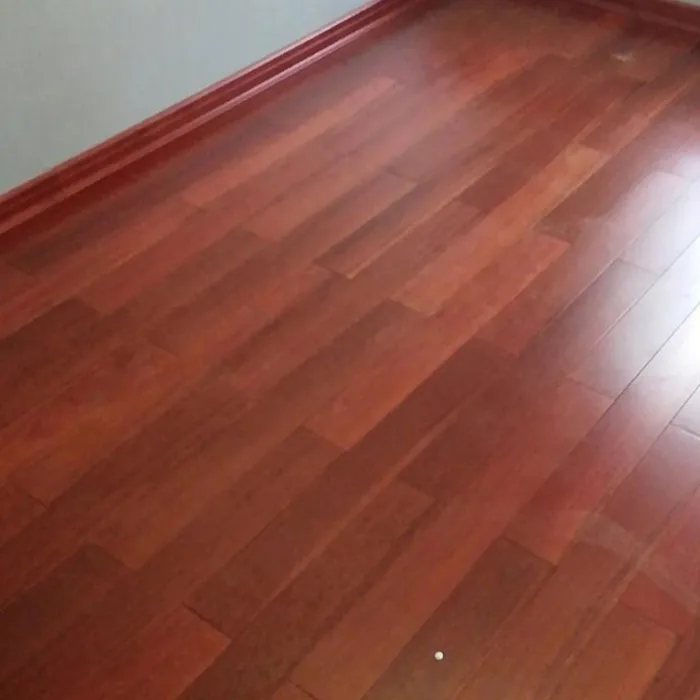
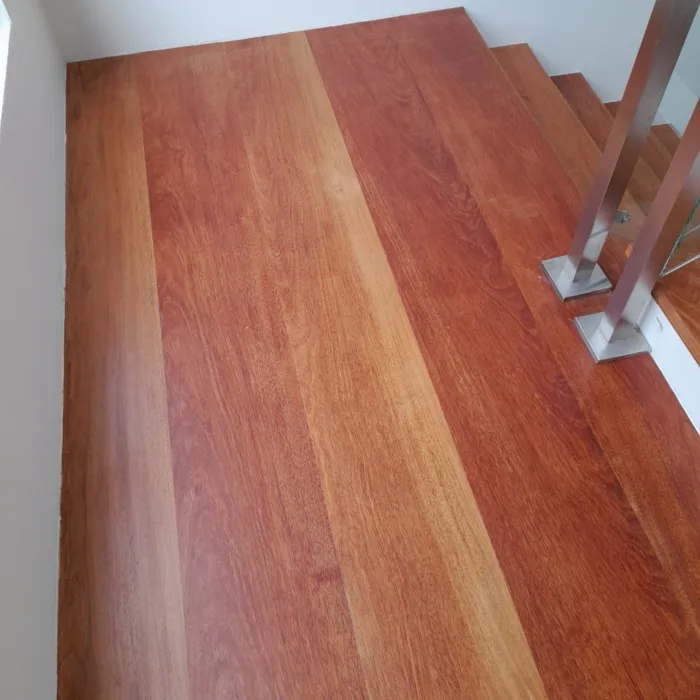
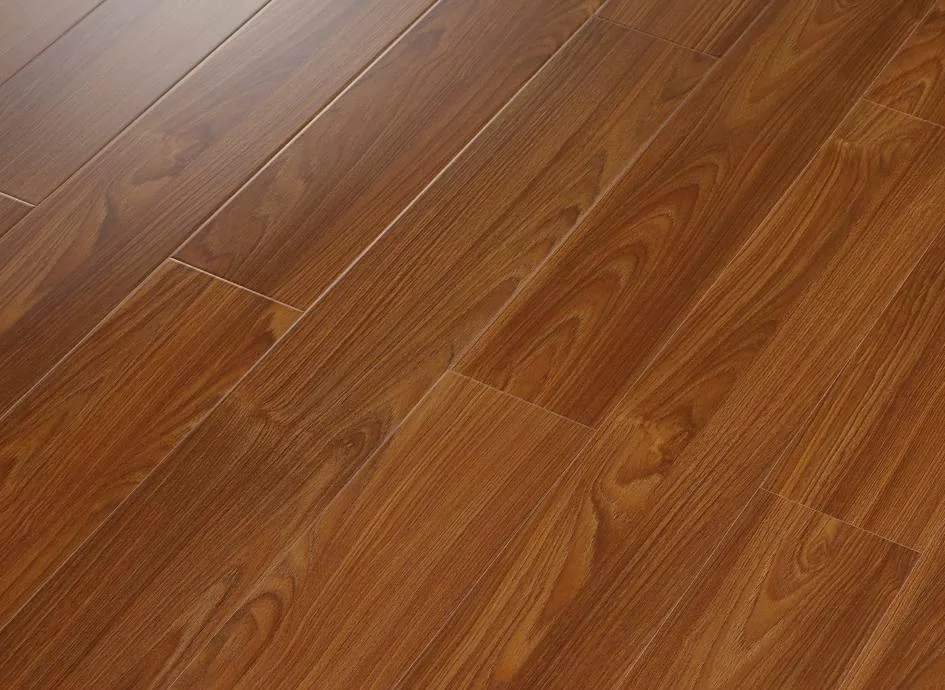
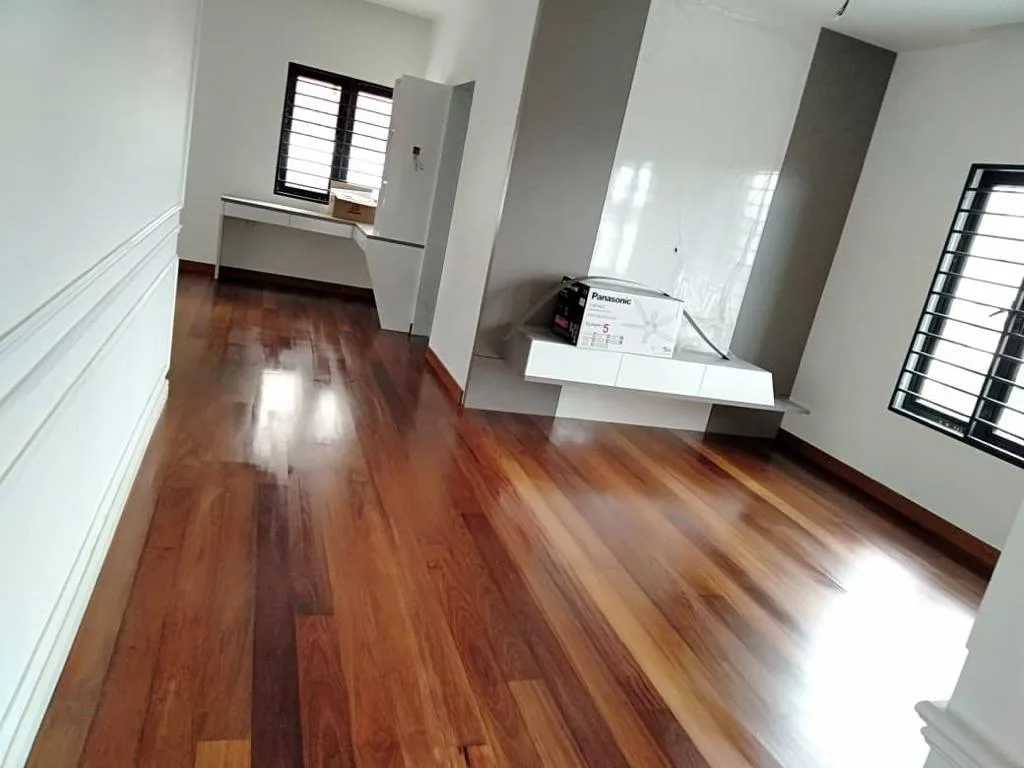
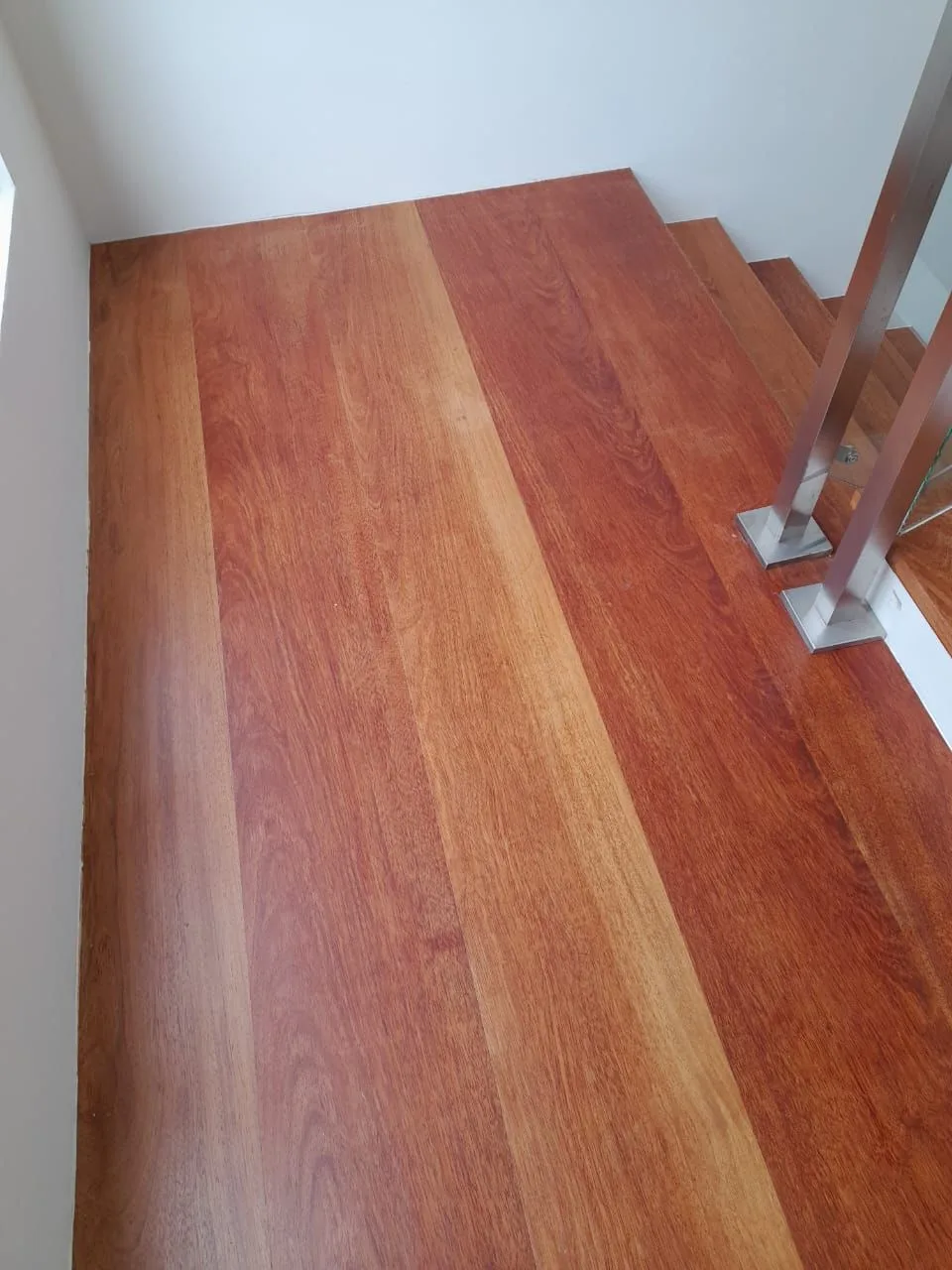
Due to its natural oil content, MERBAU wood exhibits a yellow or yellow-brown color with an intricate interplay of shades and a lustrous finish. It features a mix of golden lines and exudes a stable and enduring appearance. MERBAU wood is relatively heavy, possesses a consistent nature, and the natural oils within it make it resistant to termites. Among the existing solid wood flooring materials, MERBAU is one of the most stable wood options.

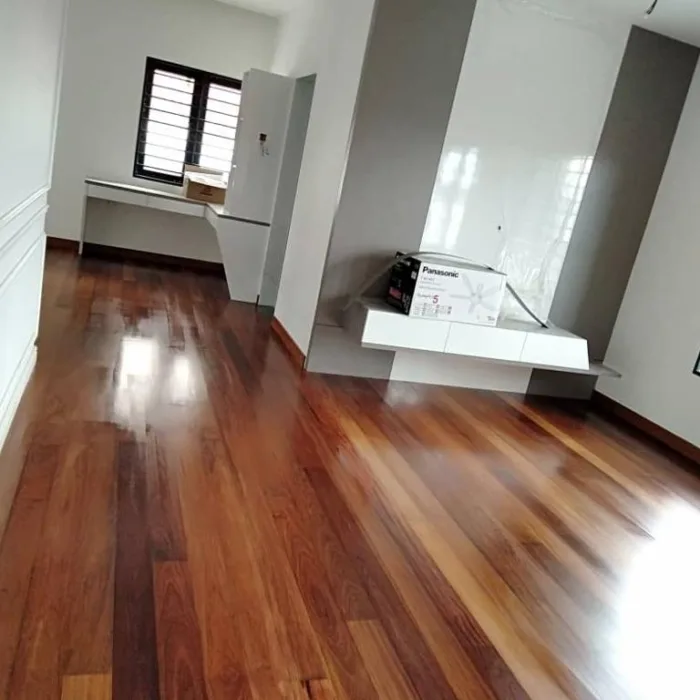
After kiln drying, MERBAU wood possesses excellent natural resistance to decay, high strength, outstanding resistance to moisture and deformation, and is highly resistant to termites. It has a long lifespan and offers great value for money, with its most significant advantage being exceptional stability. Installed MERBAU flooring provides a good level of elasticity, making it comfortable for walking with a smooth and comfortable feel. Regardless of temperature, sensation, or underfoot comfort, it offers a pleasant experience, preventing a cold feeling under air conditioning and providing a comfortable indoor experience at room temperature.

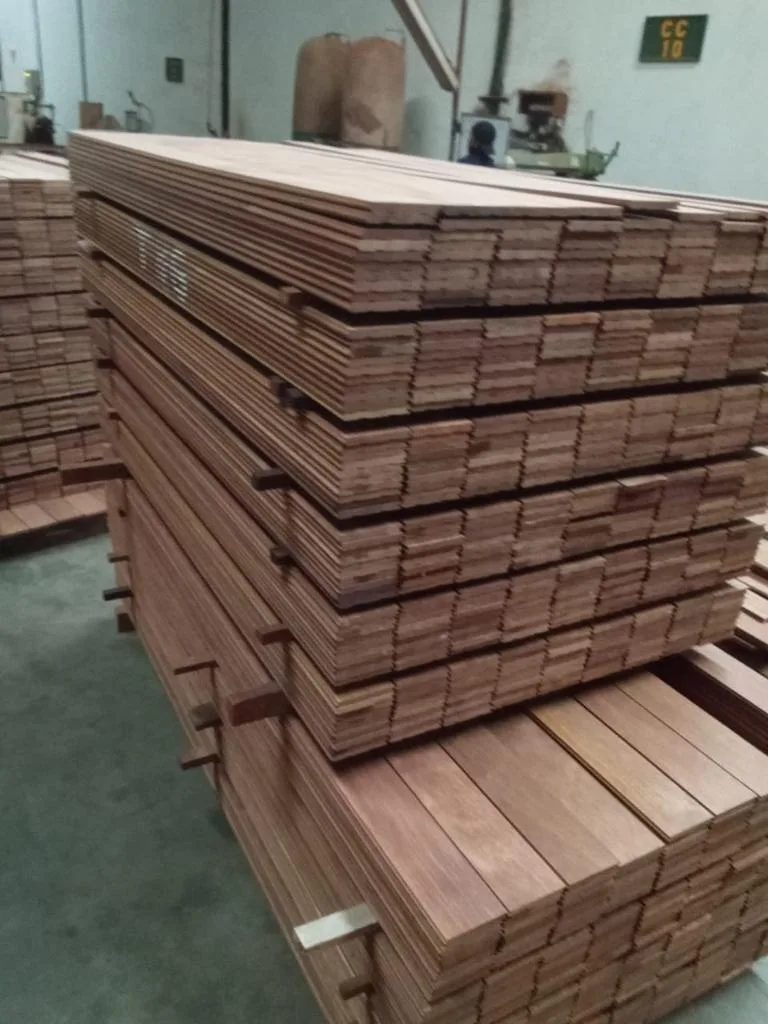
Due to its low thermal conductivity, MERBAU, when used as a flooring material, has a good temperature-regulating effect. MERBAU flooring is made from solid material, and each plank is unique with distinct and individualistic patterns. High-quality MERBAU flooring is typically around 18mm thick, ensuring durability and the ability to be sanded multiple times.

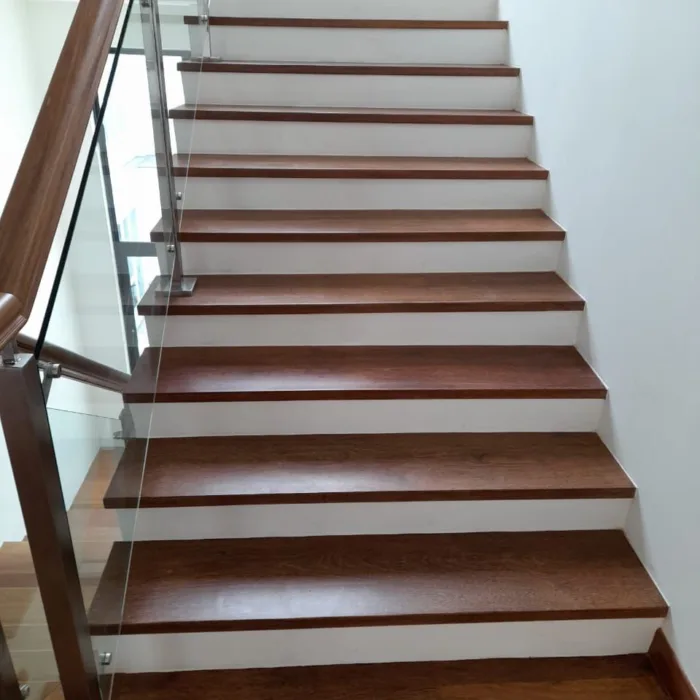
Today, people’s awareness of environmental protection is growing stronger, and there is a widespread emphasis on being environmentally friendly. MERBAU, being a natural wood, is inherently green and environmentally friendly. It is sourced from natural materials, is non-radioactive, and does not contain formaldehyde, making it completely harmless to human health. As a result, it is widely used for various indoor and outdoor purposes, including wooden flooring, staircase boards, door frames, windows, interior decoration, furniture, bridges, railway sleepers, and historical buildings.

MERBAU is also the most exported wood species from Southeast Asia to countries like China, India, Europe, Australia, and many others. It is the most stable wood species among existing wood flooring materials, with very few post-purchase issues. Its stability is only surpassed by teak, which is why we strongly recommend this species. It is currently the top-selling flooring material in the market and represents the best value for money.

Since the international forestry organization has included MERBAU in the list of protected wood species, along with rosewood, the quantity of MERBAU has become scarce, and its price has increased.

Considering all the advantages mentioned above, this is why you should choose MERBAU flooring. MERBAU flooring is worth having.

Copyright 2025 SY SYNERGY MARKETING 202203260073 (003439030-D) | All Rights Reserved.

en_USEN